
Choosing the best fabric softener for soft clothes usually comes down to one thing: getting that cozy feel without leaving behind waxy buildup that makes towels, athleisure, or baby items perform worse.
If your laundry feels stiff even after you “did everything right,” it’s often not your washer’s fault, it’s the combo of water hardness, overdosing product, and using the wrong formula for the fabric type. Softness is achievable, but it’s also surprisingly easy to sabotage.
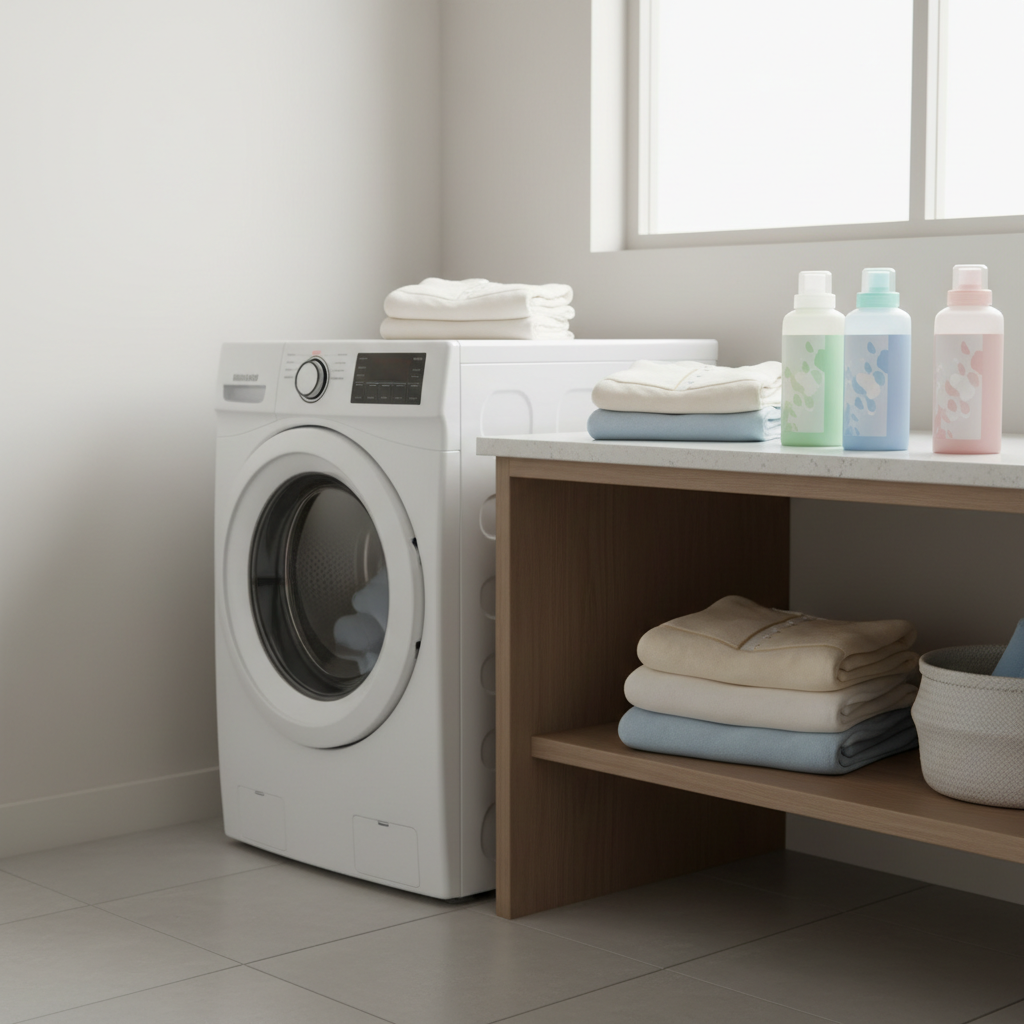
This guide helps you pick a softener based on your laundry goals and fabric mix, then use it in a way that actually improves hand-feel. I’ll also call out common “softness myths” that waste money, plus a quick table to narrow options fast.
What “soft clothes” really means (and why some loads never get there)
Softness is a mix of fiber condition and surface feel. Some products create a slick coating that feels soft at first touch, but over time can trap residues and make fabrics feel heavy or dull.
According to U.S. Environmental Protection Agency (EPA) guidance on safer chemical choices, ingredients and exposure profiles vary widely across household products, so “soft” is not automatically “gentle,” especially for people with sensitivities.
- Cotton tees and sheets often respond well to light conditioning, especially if water is hard.
- Towels may feel softer short-term with heavy softener use, but can lose absorbency if coated.
- Athleisure/technical fabrics can hold odor and lose wicking if softener blocks pores.
- Older clothes can feel rough from detergent/mineral buildup, not just “dry fibers.”
Quick comparison: which fabric softener type fits your laundry?
If you’re shopping for the best fabric softener for soft clothes, deciding by “scent” is the trap. Decide by fabric type, sensitivity, and whether you’re fighting hard water or buildup.
| Softener approach | Feels like | Best for | Watch out for |
|---|---|---|---|
| Liquid fabric softener (traditional) | Immediate slip, smoother hand-feel | Cottons, everyday loads | Buildup risk, towels/activewear issues |
| Fabric softener sheets (dryer) | Less static, softer surface | Quick convenience, mixed loads | Residue on sensors, wax on fabrics |
| Rinse conditioner “free & clear” | Moderate softness, less fragrance | Sensitive skin households | May feel less dramatic at first |
| Wool dryer balls | Loft + reduced cling | Towels, bedding, fragrance-free routines | Not a true chemical softener |
| Vinegar (rinse aid) | Less residue, improved drape over time | Hard water, buildup problems | Not “perfume soft,” use carefully |
How to tell what’s making your clothes feel rough (fast checklist)
Before buying another bottle, figure out what you’re fixing. A lot of “softener isn’t working” complaints are really detergent, water, or drying choices.
- Towels feel scratchy and repel water: likely coating from repeated softener or too much detergent.
- Clothes feel stiff right out of the washer: often hard water minerals or overdosing detergent.
- Athleisure holds odor: softener residue can lock in smells; a rinse conditioner can make it worse.
- Everything feels crunchy after drying: overdrying, high heat, or low humidity can do that.
- Skin feels itchy after laundry: fragrance or preservatives may be irritating; consider free & clear options and talk with a clinician if symptoms persist.
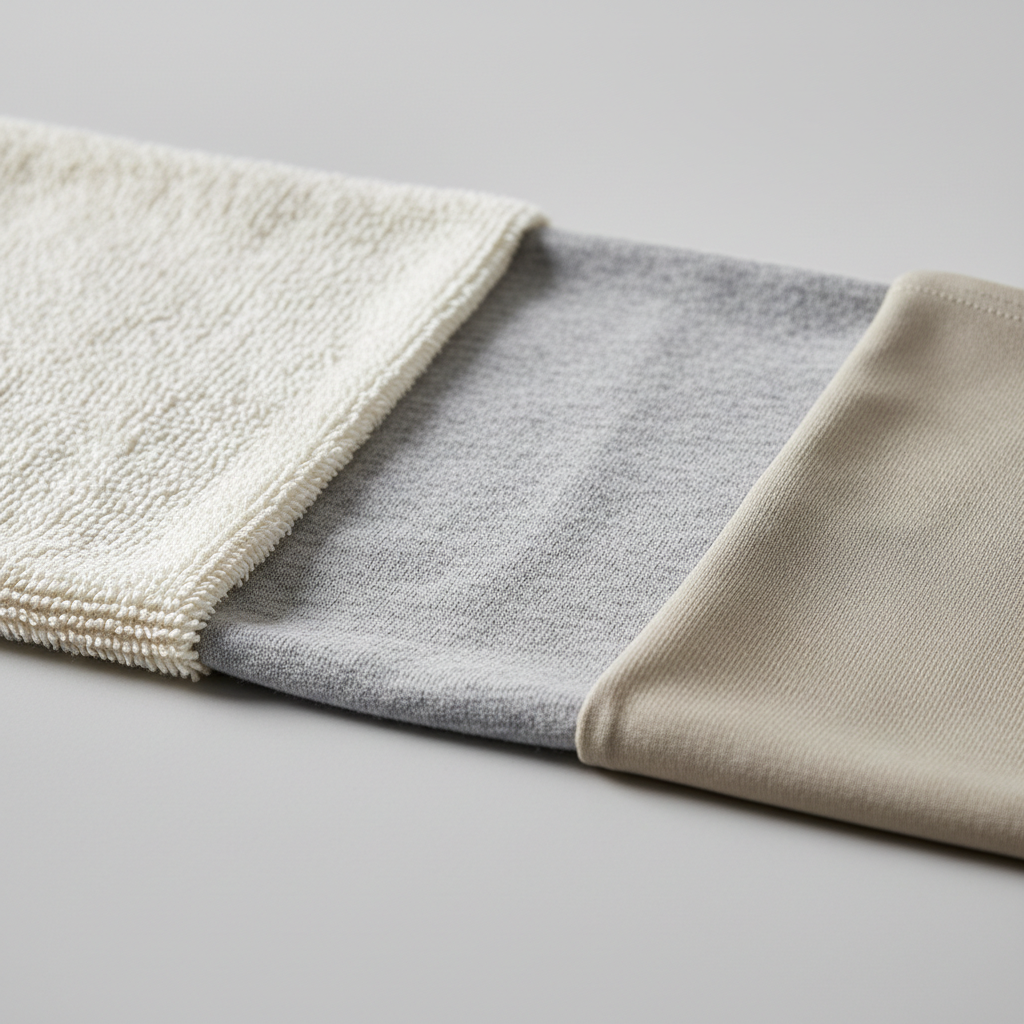
Key point: If you suspect buildup, switching softeners alone won’t fully solve it. You’ll get better results by addressing residue first, then using a lighter hand with conditioning products.
What to look for in the best fabric softener for soft clothes
There’s no single “winner” for everyone, but there are practical filters that save time and reduce bad surprises.
1) Match the formula to your fabric mix
- Mostly cotton: a standard liquid softener can work, but dose modestly.
- Lots of towels: consider dryer balls for softness + loft, and keep liquid softener occasional.
- Mostly activewear: skip traditional softener more often than not, prioritize a sport-specific wash routine.
2) Choose “free & clear” if you’re managing sensitivity
Fragrance and dyes can be a big variable. If you’re shopping for the best fabric softener for soft clothes in a household with eczema, allergies, or baby laundry, a fragrance-free rinse conditioner is often a safer starting point. According to American Academy of Dermatology Association (AAD), fragrance is a common trigger for contact dermatitis in many people, so reducing it can be a sensible experiment.
3) Prefer “less coating” if you hate waxy feel
If clothes feel slick at first and then weirdly “grabby” later, that’s frequently residue accumulation. In that case, a lighter conditioner, dryer balls, or adjusting detergent can outperform switching to a stronger softener.
How to use fabric softener so it actually makes clothes softer
Usage matters as much as product choice. Many people simply use too much, and softness drops over time.
- Measure, don’t free-pour: start with the smallest recommended dose, then adjust. More rarely equals softer.
- Use the dispenser: pouring directly on fabric can spot-stain and create concentrated residue.
- Sort by purpose: keep softener away from towels, microfiber, water-repellent outerwear, and most performance fabrics.
- Rinse smarter: if your washer has an extra-rinse option and you’re battling residue, use it for a couple weeks.
- Drying counts: overdrying makes cotton feel harsh; pull items slightly damp, then finish air-drying if possible.
Practical rule: If you want soft bedding but also need absorbent towels, run two different routines. Mixed loads are where “one softener to rule them all” usually disappoints.
Fixing stiffness from buildup: a realistic reset routine
If you’ve used heavy detergent, scent boosters, or softener for months, you may need a short reset. This is often where the best fabric softener for soft clothes starts “working again,” because it’s no longer fighting residue.
- Step 1: Wash warm (if fabric care labels allow) with a smaller amount of detergent.
- Step 2: Add a rinse aid like vinegar in the rinse compartment for a few loads, especially in hard water areas. If you’re unsure about compatibility with your washer or fabrics, check the manual or ask the manufacturer.
- Step 3: Skip softener temporarily for towels and activewear while the buildup eases.
- Step 4: Reintroduce conditioning lightly, focusing on cotton clothing and sheets.
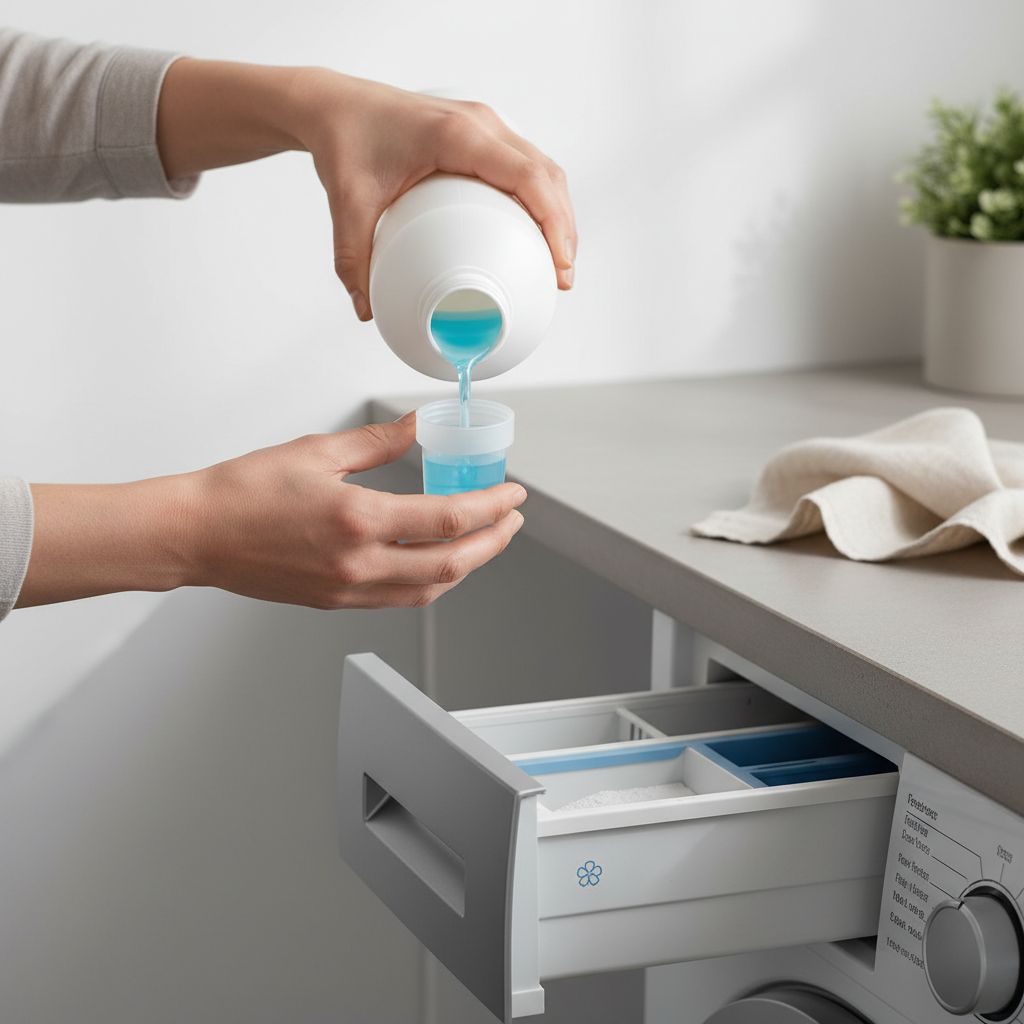
When the fabric stops feeling “coated,” you can usually get softness with less product, which also helps reduce lingering odors and dullness.
Common mistakes that block softness (and what to do instead)
- Mistake: Using softener on towels to “fix scratchiness.”
Try: reduce softener, dry with wool balls, and do a short reset routine to restore absorbency. - Mistake: Pouring more softener when clothes feel stiff.
Try: cut the dose, add an extra rinse, and check if you’re overdosing detergent. - Mistake: Softening everything in one go.
Try: separate loads by function, especially performance fabrics vs cotton. - Mistake: Overdrying on high heat.
Try: medium heat, shorter time, shake out items before drying to reduce stiffness.
When it makes sense to get expert help (or at least ask the right questions)
If softness problems keep coming back, the issue may be upstream. A few cases where outside help is worth it:
- Persistent skin irritation: consider a fragrance-free routine and discuss symptoms with a medical professional, especially for children or recurring rashes.
- Very hard water: a local water report or a simple test kit can confirm, then you can adjust detergent amounts or consider a water softener system.
- Washer smells or leaves residue: the machine may need cleaning; follow manufacturer guidance for tub-clean cycles and approved cleaners.
- Special textiles: for wool, silk, flame-resistant workwear, or waterproof gear, follow care labels and consider a specialty cleaner rather than a general softener.
Conclusion: a practical way to choose and use a softener
The best fabric softener for soft clothes is the one that fits your fabric mix and doesn’t create buildup over time, and for many households that means a lighter formula, smaller doses, and a routine that treats towels and activewear differently from cotton basics.
If you want one action step today, measure your next dose and run an extra rinse on a cotton load, then compare the feel after drying. If you suspect buildup, do a short reset routine before you spend on a “stronger” softener.
FAQ
- What is the best fabric softener for soft clothes if I have sensitive skin?
Many people do better with “free & clear” or fragrance-free rinse conditioners, plus an extra rinse. If irritation continues, it may help to simplify your whole laundry routine and consult a clinician. - Why do my clothes feel stiff even with fabric softener?
Overdosing detergent, hard water minerals, and overdrying are common culprits. Cutting product amounts and adding an extra rinse often makes a noticeable difference. - Is fabric softener bad for towels?
It can be, depending on how often and how much you use. Many towels lose absorbency when coated, so occasional use or switching to dryer balls tends to be safer. - Can I use fabric softener on athletic wear?
In many cases it’s better to avoid it, because it may reduce moisture-wicking and trap odors. A sport-specific wash approach or residue-reducing routine is usually more effective. - Are dryer sheets as good as liquid softener for softness?
Dryer sheets can reduce static and add surface softness, but they can also leave waxy residue. If you like them, use them mainly for cotton items and keep them away from performance fabrics. - Will vinegar make clothes softer?
Vinegar can help reduce detergent/mineral buildup and improve drape over time, especially in hard water. It won’t create a perfumed “softener feel,” and you should follow your washer maker’s guidance. - How much fabric softener should I use for a large load?
Usually less than you think. Start at the smallest suggested amount on the label for your machine type and load size, then adjust only if you’re not seeing results after a few loads.
If you’re trying to simplify laundry and still get that soft, comfortable feel, a good next step is to pick one routine for cotton clothing and sheets, and a separate routine for towels and activewear. It’s less “magic product,” more smart system, and it tends to be easier to maintain week to week.