
women chain belt for dresses works best when you treat it like jewelry with a job: it defines shape, adds shine, and quietly pulls an outfit together without heavy tailoring.
If you have ever put one on and thought, “Why does this look amazing on someone else but fussy on me,” you are not alone. The details matter here, especially length, link size, and where the belt actually sits on your body.
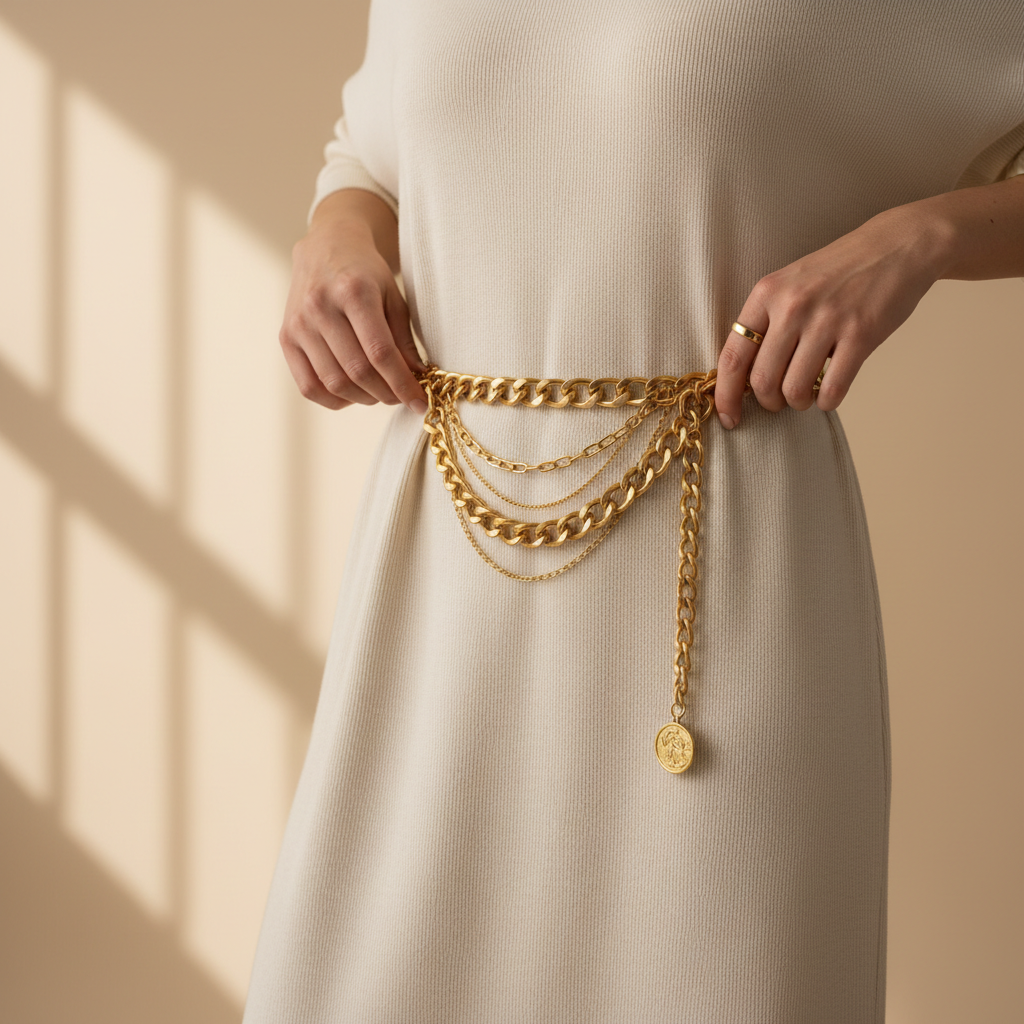
This guide stays practical: how to pick a chain belt that sits right, which dresses and tops it flatters, what to avoid with delicate fabrics, and a few “easy wins” outfits you can copy without overthinking.
Why chain belts look great on some outfits and awkward on others
A chain belt is visually light but high-contrast, so it exaggerates whatever it touches. That is the magic and also the risk.
- Placement changes everything. Natural waist reads classic, slightly higher reads more “styled,” lower on the hips reads relaxed but can shorten legs on some bodies.
- Link scale has to match the outfit weight. Chunky links fight with delicate slip dresses, while micro chains can disappear on heavy knits.
- Shine pulls attention. If your dress already has sequins, bold prints, or a dramatic neckline, the belt can tip the look into “too much.”
- Fabric friction matters. Chain edges can snag open weaves, lace, or loose knits, and some plated finishes can catch on textured materials.
According to the Federal Trade Commission (FTC), jewelry marketing claims should be clear and not misleading, so if you see “solid gold” language on a low-priced chain belt, pause and verify material details before you expect a certain durability level.
Quick self-check: which chain belt style fits your wardrobe
If you want a belt you actually use, match it to what you wear most days, not your “fantasy closet.” Run through this quick checklist.
- You wear mostly solid-color dresses and minimal prints: try medium links in gold or silver, with a simple drop charm.
- You live in oversized tops and straight jeans: try a longer chain you can wear slightly low to break up volume.
- You wear knits, ribbed sets, sweaters: pick smoother links, rounded edges, and a slightly thicker chain so it does not look fragile.
- You prefer office outfits: go for thinner chains, subtle clasps, fewer dangling pieces, and a polished finish.
- You love going-out tops: a double-wrap or layered chain can work, but keep other jewelry quieter.
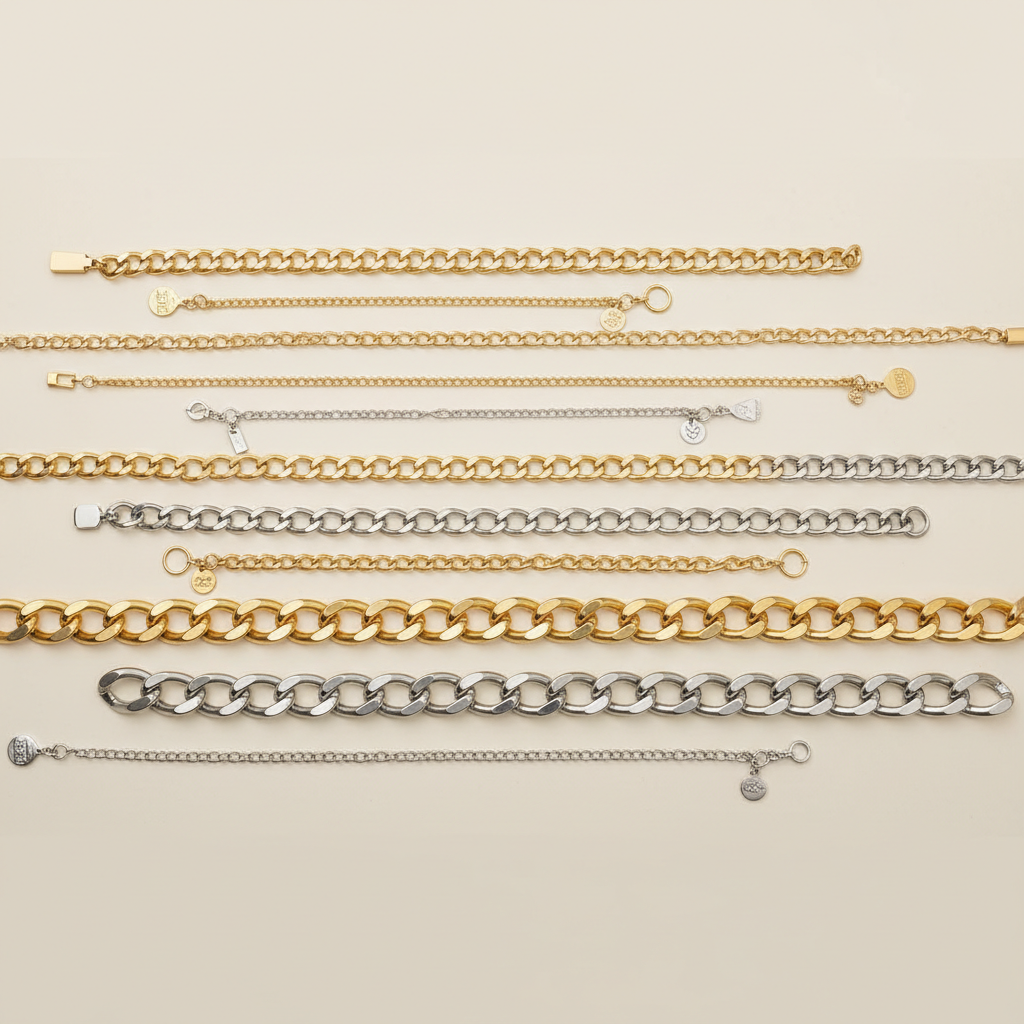
If you are still unsure, start with one “middle option”: medium link size, adjustable clasp, and either warm gold or cool silver based on the metal tone you already wear.
How to choose the right size and fit (without guessing)
Most frustration comes from a belt that is technically wearable but not comfortable or stable. Chain belts need a little planning.
Measure the spot where you plan to wear it
- Natural waist: usually the narrowest point, often above the belly button.
- High waist: just under the bust for an empire feel, good for flowy dresses.
- Hip: around the top of the hip bones, better over longer tops and tunics.
Pick an adjustable belt with at least 2–4 inches of flexibility so you can sit, eat, and move without the chain “biting” into the fabric.
Use this fit table as a sanity check
| Where you wear it | What it emphasizes | Best dress/top types | Common fit issue |
|---|---|---|---|
| Natural waist | Hourglass shape | Wrap, shirt dress, fit-and-flare | Slides up during walking |
| High waist | Longer-looking legs | Maxi, sweater dress, loose blouse | Can feel tight when sitting |
| Hip | Relaxed, layered look | Tunics, oversized button-downs | Can visually shorten torso |
Comfort tip: if the chain clasp lands right on your side seam, it tends to feel less “pokey” than when it lands front and center.
Styling formulas you can repeat: dresses and tops
Think in formulas, not one-off outfits. When the formula works, you can repeat it with different colors and still look intentional.
For dresses
- Slip dress + fine chain belt + minimal hoops: keep it sleek, let the belt be the only sparkle.
- Shirt dress + medium chain belt + loafers: structured fabric balances the shine.
- Sweater dress + thicker chain belt + boots: the belt creates shape where knits can look boxy.
- Maxi dress + high-waist chain + short jacket: breaks up a long column, adds definition.
For tops
- Oversized tee + chain belt at the hip + straight jeans: easy weekend styling, especially with a tucked front hem.
- Blazer + chain belt over the blazer: strong silhouette, works best with a clean, simple chain.
- Long blouse + slim chain belt + midi skirt: creates a waist without a full tuck.

If your goal is “waist definition without trying,” a chain belt over a blazer or cardigan is often easier than over a clingy dress because the fabric gives the belt something to grip.
Practical steps: how to wear a chain belt so it stays put
This is the part people skip, then blame the belt. A few small moves usually fix sliding, twisting, and awkward drape.
- Choose your anchor point. Align the clasp slightly off-center so the drape falls cleanly and the closure stays less visible.
- Set the drape on purpose. If the belt has a drop chain, aim it along the front of the hip, not directly on the zipper line.
- Use fabric-friendly grip if needed. On slick satins, a tiny piece of fashion tape under one link can reduce sliding, but test first to avoid residue.
- Balance your metal story. If the belt is gold, keep earrings or a bracelet in the same tone so it reads cohesive, not random.
- Do a sit-test. Sit down before you leave, if it pinches or rides up, add one more link of slack.
For a women chain belt for dresses that includes charms or layered strands, less “movement” tends to look more expensive, so keep the belt snug enough to avoid constant flipping.
Mistakes that make a chain belt look cheap (and how to avoid them)
Even a nice belt can read costume-like when the surrounding choices fight it.
- Too many focal points. If you already have statement earrings and a bold neckline, let the belt be simpler or skip it.
- Wrong contrast with the fabric. Very shiny gold on very shiny fabric can look busy; matte or brushed finishes can feel calmer.
- Clasp in the front. Unless it is decorative, shift it to the side or back for a cleaner line.
- Snag-prone styling. Loose knits and lace can catch; a smoother chain or wearing it over a slip layer can reduce risk.
If you have sensitive skin, some plated metals may irritate. That is not rare with fashion jewelry, so consider nickel-free options and, if reactions persist, it is smart to consult a medical professional.
When it makes sense to ask for help (or upgrade your approach)
Most people can style a chain belt at home, but a few scenarios justify extra support.
- You need it for an event outfit. A tailor or stylist can pin placement, recommend the right belt length, or add hidden thread loops inside a dress so the chain sits reliably.
- The dress fabric is delicate or expensive. If it is silk, vintage, or embellished, testing with a professional can prevent damage.
- You cannot keep belts from sliding. Body shape and fabric combination matters, and sometimes the real fix is choosing a different belt style, not forcing this one.
According to the Better Business Bureau (BBB), it helps to review return policies before purchasing, especially with accessories where fit and finish can vary by brand.
Key takeaways (save this before you shop)
- Measure where you will wear it, then choose adjustable length so comfort stays realistic.
- Match link scale to fabric weight, delicate dress equals finer chain, chunky knits handle bigger links.
- Use repeatable outfit formulas, slip dress sleek, shirt dress polished, blazer cinched.
- Do a sit-test and movement test so the belt looks intentional, not fidgety.
Conclusion: make the chain belt work for you, not the other way around
A women chain belt for dresses is one of those accessories that looks “effortless” only after you get the fit and placement right. Start with one versatile chain, style it with a simple dress or a blazer first, then branch into more playful drapes and charms when you know what you like.
If you want an easy next step, pick one outfit you already trust, add the belt at the natural waist, check it in daylight, then decide whether you prefer a cleaner line or more drape, that one preference will guide your next purchase.
FAQ
How do I wear a women chain belt for dresses without it sliding?
Choose an adjustable clasp, wear it on fabric with a bit of texture when possible, and set the clasp slightly off-center. For very slick materials, a small amount of fashion tape can help, as long as you test it on the fabric first.
Can I wear a chain belt over a sweater dress?
Yes, sweater dresses are often a great match because the knit gives the chain some grip. A slightly thicker chain usually reads more balanced than a very fine one on heavy knits.
What chain belt color is easiest to style, gold or silver?
It depends on what you already wear. If most of your jewelry is warm-toned, gold blends in more naturally; if you wear cool-toned pieces, silver looks consistent. Mixing can work, but it is harder to make it look intentional.
Will a chain belt damage delicate fabrics?
It can, especially on lace, loose weaves, or snag-prone knits. Smoother links help, and wearing the belt over a slightly sturdier layer can reduce catching, but for expensive or vintage items, being cautious is wise.
Where should the clasp go on a chain belt?
Most people prefer the clasp on the side or slightly toward the back so the front looks clean. If the clasp is decorative, placing it front-center can work, but then it should look like a design choice.
How tight should a chain belt be?
Snug enough that it does not spin or drop, but not so tight that it digs in when you sit. A quick sit-test usually tells you if you need one more link of slack.
Is a chain belt appropriate for work outfits?
Often yes, if you keep it minimal: thinner chain, fewer dangling charms, and pair it with structured pieces like blazers or shirt dresses. Workplace dress codes vary, so when in doubt, go simpler.
If you are building outfits for a trip, an event, or just want your everyday dresses and tops to feel less plain, a chain belt can be a low-effort add, and if you prefer a more foolproof option, choosing one adjustable, medium-link style in your usual metal tone is usually the easiest place to start.