
How to dress fresh for spring usually comes down to two things, light layers and clean, simple color choices that look intentional even when the weather cannot decide.
If you have ever walked out in a cute outfit and then spent the day either freezing or sweating, you already know why spring dressing feels annoying. The goal is not more clothes, it is better combinations.
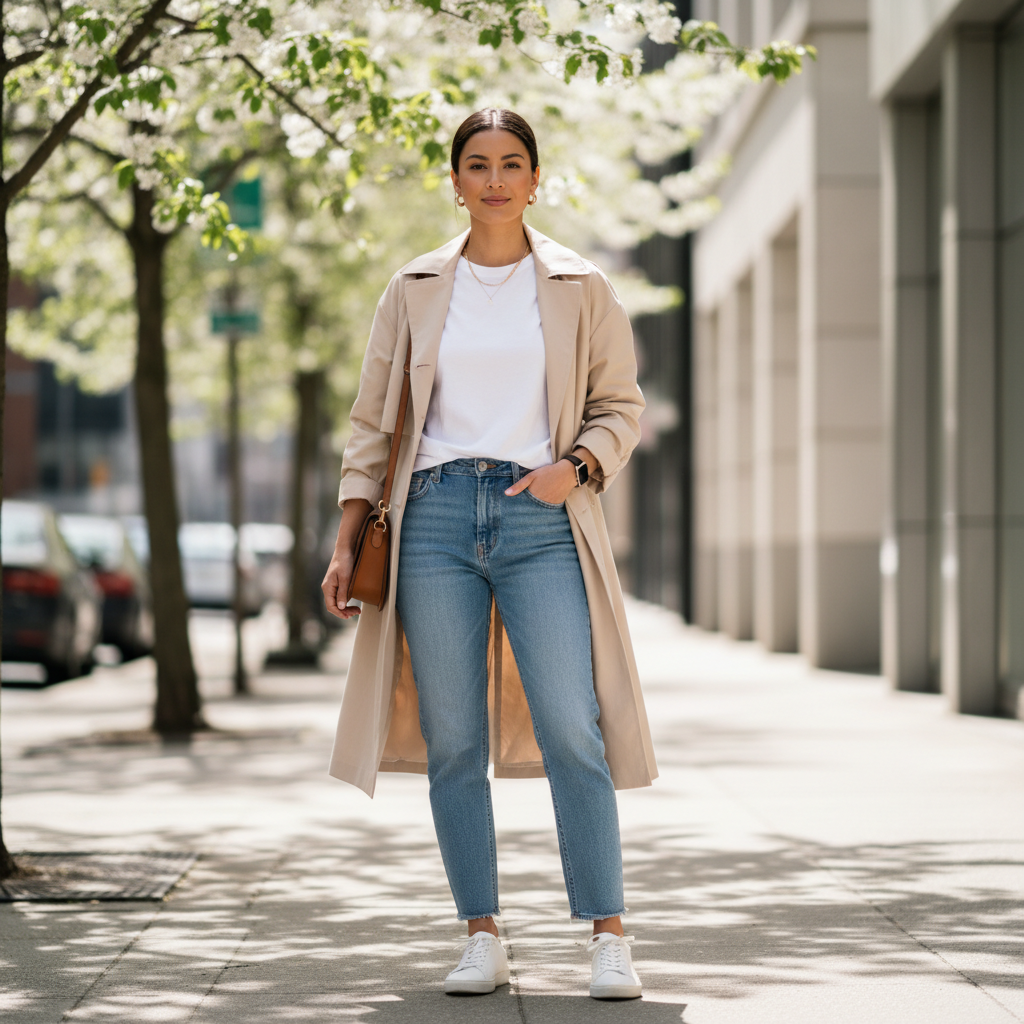
This guide stays practical: what fabrics feel “spring,” easy outfit formulas, and a small checklist for shopping without overbuying. You will also see a table you can reference when mornings are cold and afternoons warm.
What “fresh and simple” actually means in spring
Fresh does not mean loud colors or a whole new wardrobe. In most closets, it means removing visual clutter, picking lighter textures, and keeping the silhouette relaxed but not sloppy.
- Fresh: lighter fabrics, brighter (not necessarily bold) colors, and cleaner lines.
- Simple: fewer pieces per outfit, fewer competing details, and repeatable formulas.
- Spring-ready: layers you can take off, shoes that can handle surprise rain, and pieces that mix easily.
According to The National Weather Service (NWS), spring often brings fast-changing conditions, which is exactly why your outfits work better when they are modular.
Why spring outfits look “off” (and how to fix it quickly)
Most people are not “bad at styling,” they are dressing for a single temperature, using winter-heavy colors, or relying on pieces that wrinkle and collapse by noon.
Common reasons you feel unfinished
- Layer mismatch: a thick sweater with a flimsy jacket, or a tank with a heavy coat.
- Wrong fabric weight: chunky knits and heavy denim can look visually winter.
- Too many focal points: statement shoes plus statement bag plus loud print, it stops looking “simple.”
- Color feels muddy: dark winter tones without a lighter counterbalance.
Quick fixes that take 2 minutes
- Swap one “winter” item for a spring-weight version, like a lightweight knit instead of fleece.
- Add one crisp element, like a white tee, a light button-down, or clean sneakers.
- Choose one hero piece and let everything else support it.
A fast self-check before you get dressed
If you want to dress fresh without overthinking, run this quick check in the mirror. It catches the issues that usually make spring outfits feel heavy.
- Layer test: can you remove one layer and still look put-together?
- Comfort test: can you walk briskly, sit, and move arms without tugging?
- Color test: do you have one light or clear tone near your face?
- Footwear test: can your shoes handle damp sidewalks or light rain?
- Bag test: do you have space for a compact umbrella or extra layer?
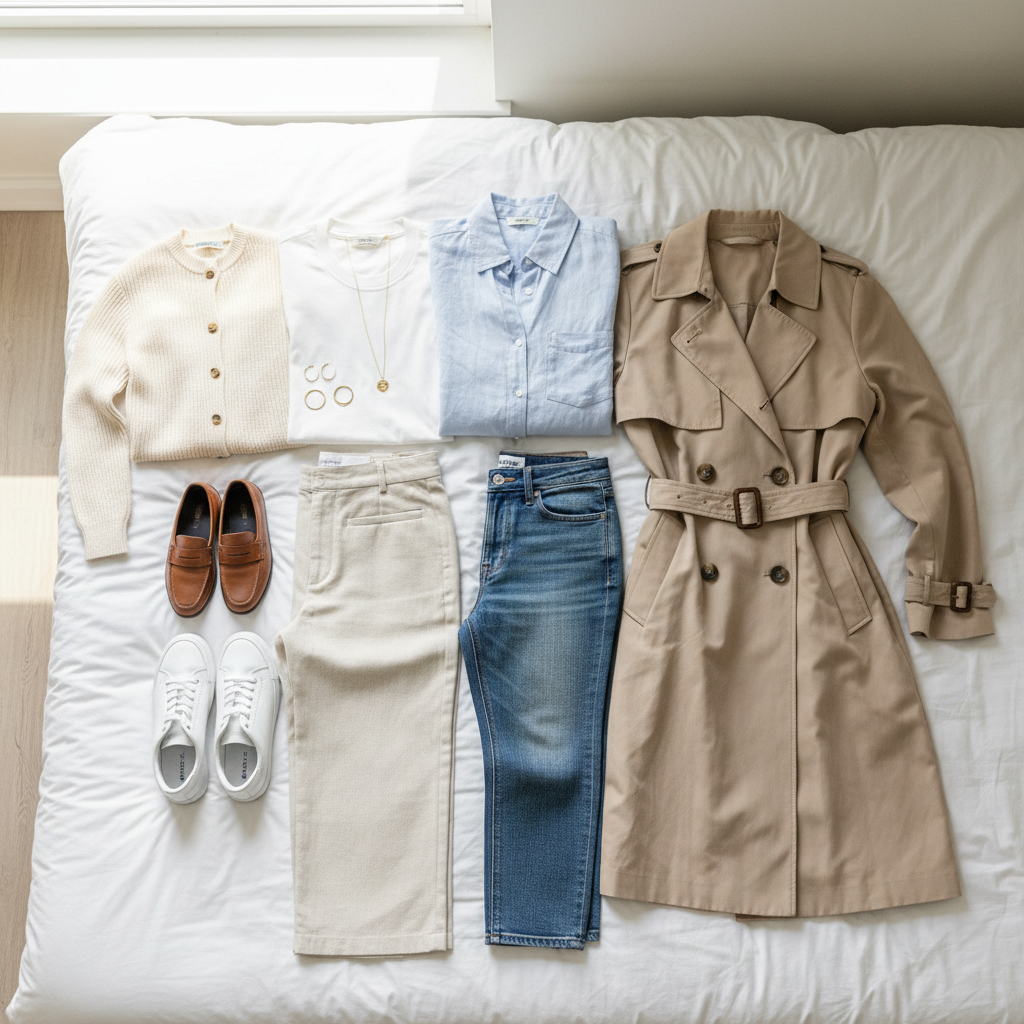
If you fail two or more, do not restart the whole outfit. Change one item, usually the outer layer or the shoes, and re-check.
The spring “formula” outfits you can repeat all season
When people ask how to dress fresh for spring, the most useful answer is repeatable structure. These formulas work because they are balanced: one light layer, one anchor bottom, one practical shoe.
Formula 1: Crisp base + light layer + clean shoe
- White tee or light knit
- Trench coat, chore jacket, or relaxed blazer
- Straight jeans or ankle pants
- White sneakers or loafers
Formula 2: Button-down + denim + “soft” outerwear
- Oxford shirt or poplin button-down
- Light-wash denim or white denim (if weather allows)
- Cardigan, denim jacket, or lightweight coat
- Belt + simple earrings for polish
Formula 3: Easy dress + layer + weather-proof shoe
- Midi dress in cotton or knit
- Light jacket or cardigan
- Water-resistant sneakers, ankle boots, or ballet flats
Key point: keep accessories quiet when your outfit already has movement, like a dress or wide-leg pants.
Spring layering cheat sheet (with a table)
Spring is a temperature swing season. Dress like you plan to adjust, not like you plan to endure. This table helps you pick layers that still look simple.
| Spring weather | What to wear | Why it works |
|---|---|---|
| 40–55°F, windy | Long-sleeve tee + light sweater + trench or lined jacket | Blocks wind, layers remove cleanly indoors |
| 55–65°F, mixed sun | Tee + cardigan or blazer + jeans | Looks polished, easy to carry the top layer |
| 65–75°F, warm afternoon | Tank or tee + overshirt + lightweight pants | Breathable, still structured in the morning |
| Rainy, damp | Water-resistant jacket + quick-dry top + darker denim | Less stress about splashes, dries faster |
If you run cold, add a thin base layer instead of upgrading to a bulky coat. The outfit stays spring-like, and you avoid that “it is still winter” look.
Colors and fabrics that look fresh without trying too hard
Color is where “fresh” shows up fastest, but it can still feel simple. You do not need a closet full of pastels, you need a lighter mix.
Easy spring color palettes
- Neutral + one light: beige and white with soft blue or sage
- Denim + crisp white: light denim, white top, tan accessories
- Monochrome light: cream, oat, ivory with slightly different textures
- Black, but spring: black base with a lighter outer layer or bright tee
Fabrics that usually read “spring”
- Cotton poplin, oxford cloth, chambray
- Lightweight knits, merino blends
- Linen blends (less wrinkly than pure linen for many people)
- Midweight denim, not heavy raw denim
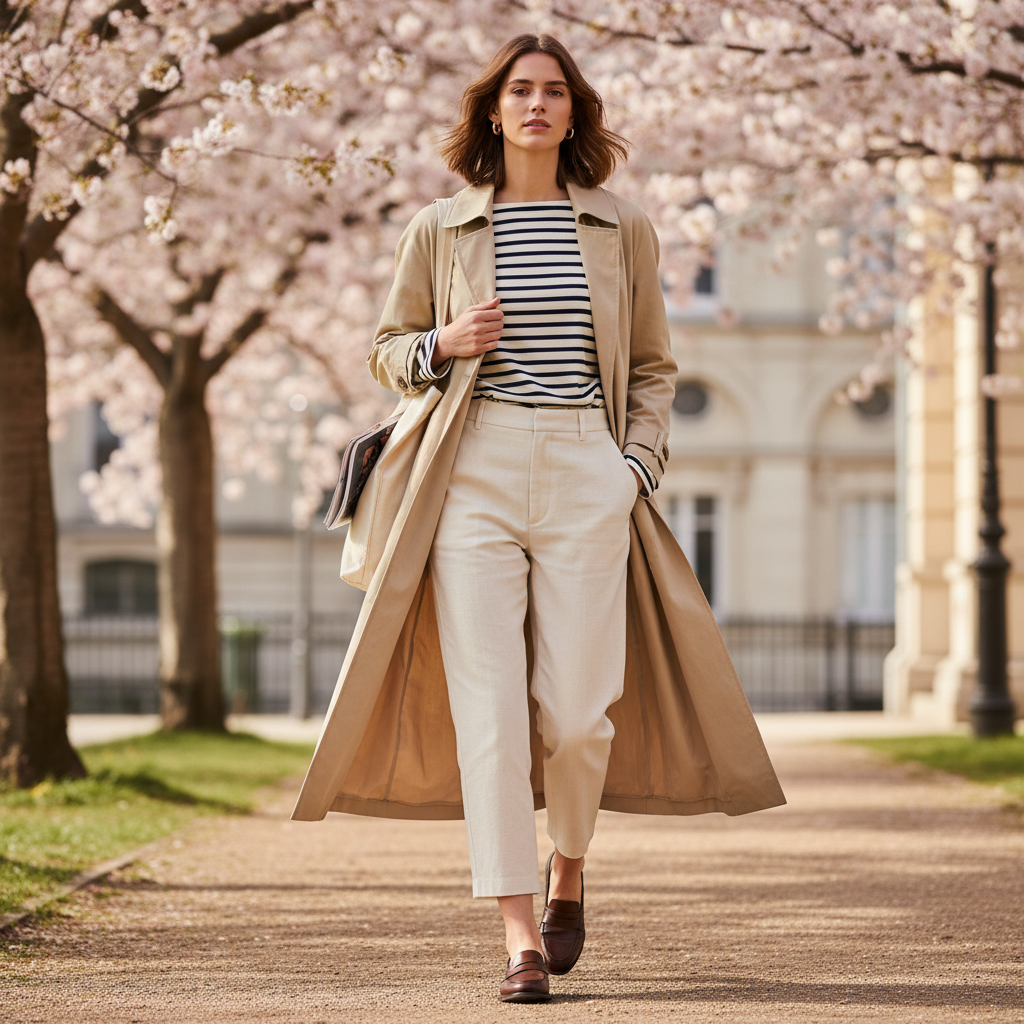
Prints can work, but keep them small-scale or classic, like stripes. If you choose floral, let it be the only loud element that day.
Practical spring shopping: what to add (and what to skip)
If you want to dress fresh for spring without buying random pieces, shop for gaps in your outfit formulas, not “cute items.” You are building combinations.
Smart adds for most closets
- Light outer layer: trench, chore jacket, or unstructured blazer
- Crisp tops: a white tee you actually like, a button-down that does not gape
- One spring shoe: clean sneaker, loafer, or water-friendly flat
- Bridge pant: straight jeans or ankle trousers that work with both sneakers and loafers
Usually not worth it (unless it fits your lifestyle)
- Ultra-trendy colors that only match one top
- Very thin fabrics that turn see-through in daylight
- Shoes you cannot walk in, spring often means more walking
Key takeaway: if a new item cannot pair with at least three things you already own, it is probably not “simple.”
Real-world outfit ideas (by situation)
Spring life is specific: office AC, weekend errands, travel days, school pickups. Here are combinations that look fresh but stay low effort.
- Work casual: button-down + ankle pants + loafers + lightweight blazer
- Weekend: white tee + light-wash jeans + trench + sneakers
- Rain day: quick-dry top + darker denim + water-resistant jacket + grippy sneaker
- Date night: midi dress + cropped jacket + low heel or sleek flat
- Travel: knit tee + cardigan + relaxed pants + sneaker, add scarf for warmth
If you have sensitive skin or allergies that flare in spring, certain fabrics or detergents may irritate you, so it may help to test-wear items at home and consider asking a healthcare professional if reactions feel persistent.
Conclusion: keep it light, keep it repeatable
Fresh spring style is less about newness and more about editing, lighter layers, and a couple of dependable outfit formulas. Once you know your go-to combinations, you spend less time guessing and more time feeling comfortable.
Action steps that work: pick two spring outer layers you can rotate, then build three outfits around each. After that, if something still feels “off,” adjust shoes or your base top before you buy anything new.