
Best razor for women sensitive skin usually comes down to two things, how the razor treats your skin barrier and how consistent your shaving routine is, because even a “great” razor can feel awful with the wrong prep.
If you’re dealing with razor burn, stinging, bumps, or that tight, raw feeling after shaving, you’re not being dramatic, sensitive skin tends to react fast to friction, dull blades, and overly close passes. The good news is you can often reduce irritation without chasing a dozen products.
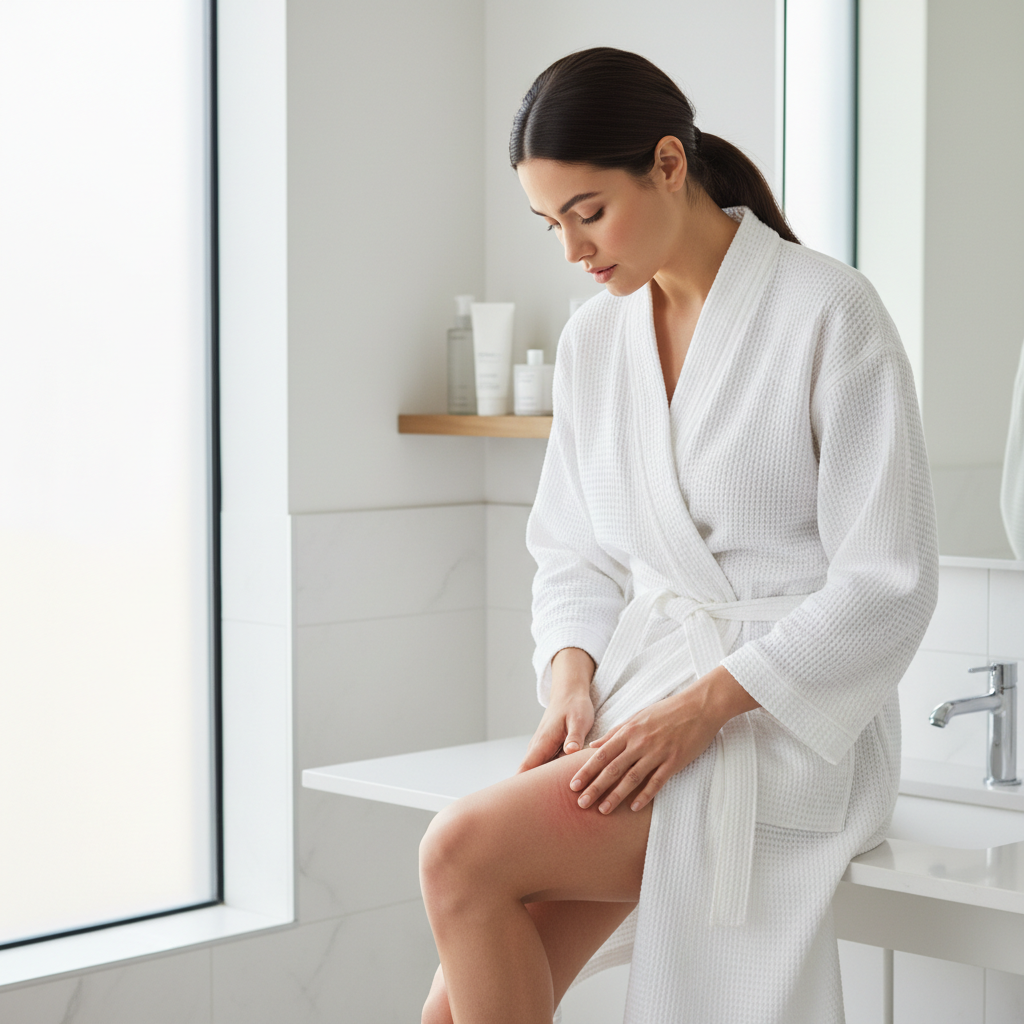
This guide helps you pick a razor setup that’s kinder to reactive skin, plus a simple checklist and a few tweaks that matter more than people think, like when to replace blades and how many passes to allow.
Why sensitive skin shaving goes wrong (and it’s not just “bad razors”)
Sensitive skin often reacts to a mix of friction and micro-cuts, and shaving is basically controlled scraping, so small changes make a big difference. Common triggers show up in very normal situations.
- Too many blades for your skin, multi-blade heads can create more friction on reactive areas, especially when you go over the same spot twice.
- Dull or coated-with-gunk blades, the tugging feeling is a red flag, and tugging is what starts irritation.
- Dry shaving or rushed prep, shaving without enough slip increases drag and inflammation.
- Pressing down, pressure feels like it helps the shave, but it usually increases scraping and bumps.
- Shaving against the grain, it can feel closer in the moment, but it tends to raise ingrowns for many people.
- Hot water + harsh soap, this combo can strip the skin barrier and make stinging worse afterward.
According to the American Academy of Dermatology, basics like shaving in the direction of hair growth and using a sharp, clean razor can help reduce irritation. They also emphasize not rushing and avoiding repeated strokes on the same area.
What to look for in the best razor for women with sensitive skin
There isn’t one “perfect” pick for everyone, but there are a few features that usually correlate with less irritation. Think of these as guardrails, not marketing buzzwords.
Blade count: fewer can be friendlier
Many women with sensitive skin do better with fewer blades, or at least a head that doesn’t demand pressure. More blades can mean a closer shave, but it can also mean more friction per pass.
- For frequent shaving: 3 blades (or a gentle 4) often feels like a workable middle ground.
- For very reactive skin or bumps: 1–2 blades can reduce irritation, though you may need a bit more technique.
Skin guard, cushion, and head flexibility
A good skin guard helps the razor glide without digging in, especially around knees, ankles, and bikini line. A flexible head is underrated, it can reduce accidental pressure spikes on curves.
Handle control matters more than people admit
If your hand slips in the shower, you grip harder, and pressure goes up. Look for a grippy handle that stays stable with wet hands, it’s not glamorous, but it helps.
Cartridge vs. safety razor vs. electric: match your sensitivity level
- Cartridge razors are convenient and can be gentle if you pick the right head and replace cartridges often.
- Safety razors can be excellent for sensitive skin once you learn angle control, but the learning curve is real.
- Electric shavers typically shave less close, but many people find them easier on skin, especially if bumps are frequent.
Quick self-check: which sensitive-skin shaver are you?
This part saves time. Your “best razor” depends on what kind of irritation you get and where it shows up.
- You get immediate burning or redness right after shaving: friction and product choice usually matter most.
- You get bumps 1–3 days later: ingrowns are likely, technique and hair direction matter more than blade hype.
- Your bikini line flares up but legs are fine: consider a different tool for that area, often fewer blades or electric works better.
- You feel tugging even with gel: blade is dull, clogged, or the hair is too long for the razor type.
- You only react in winter: barrier dryness plays a bigger role, focus on gentle prep and aftercare.
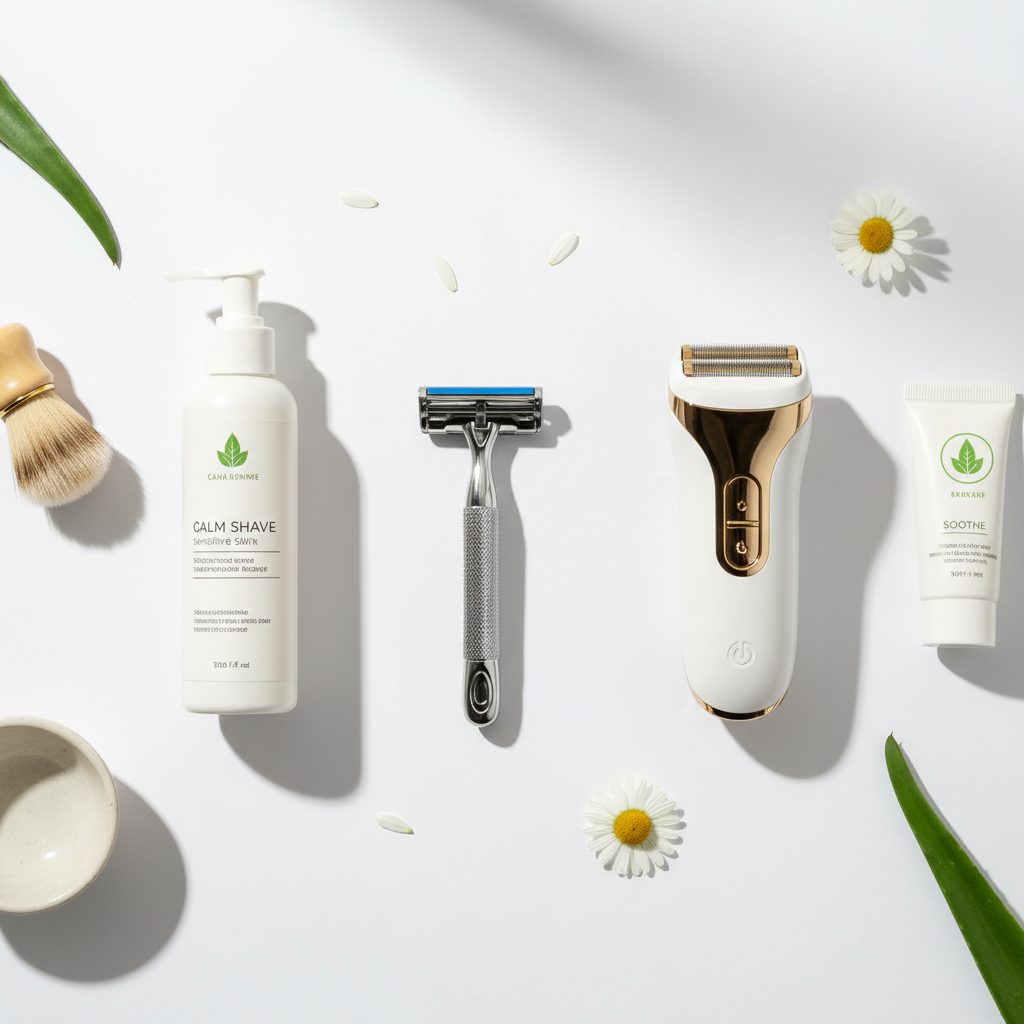
If you recognized yourself in more than one bullet, that’s normal, skin can react differently across body areas. Many people end up with a “two-tool” setup: one razor for legs, another for bikini or underarms.
Razor options compared (so you can choose faster)
Here’s a practical comparison table. Brands vary, so focus on the type and features, not the logo on the handle.
| Razor type | Why it can work for sensitive skin | Common downside | Best for |
|---|---|---|---|
| 3–5 blade cartridge with skin guard | Easy glide, fast routine, forgiving head | Can cause friction if you over-pass, cartridges get expensive | Legs/underarms, frequent shavers |
| 2–3 blade sensitive cartridge | Less friction per pass, often gentler on bumps | May need extra rinsing to avoid clogging | Reactive skin, bikini line (carefully) |
| Single-blade safety razor | One blade can mean less irritation, blades are cheap to replace | Angle/pressure mistakes can nick skin at first | Ingrown-prone skin, routine-focused users |
| Electric foil shaver | Less direct scraping, often fewer bumps | Not as close a shave, some models feel noisy or dry | Very sensitive skin, “I just need comfortable” |
How to shave with less irritation (a routine that actually holds up)
Even if you already own the best razor for women sensitive skin, routine is the multiplier. This is the version that tends to work in real bathrooms, when you’re tired and in a hurry.
Prep: set yourself up for fewer passes
- Shave after 3–5 minutes of warm water, it softens hair so the blade cuts with less tug.
- Use a true shaving gel or cream, not body wash, you want slip and cushion.
- If hair is long, trim first, razors hate long hair and clogging drives repeated strokes.
During the shave: less pressure, fewer strokes
- One light pass with the grain is the baseline, add a second pass only where needed.
- Rinse the head often, clogged blades scrape.
- Avoid “buffing”, going back and forth on one patch usually triggers redness.
Aftercare: calm the skin barrier
- Rinse with cool or lukewarm water, then pat dry, no rubbing.
- Apply a fragrance-free moisturizer while skin is slightly damp.
- If bumps are a recurring issue, a gentle exfoliant may help on non-shave days, but start slow and consider asking a dermatologist if you’re unsure.
Mistakes that quietly sabotage “sensitive skin” shaving
A lot of irritation comes from habits that feel harmless, until you connect the dots.
- Keeping cartridges too long, if you’re thinking “it’s probably fine,” it’s usually time to change it.
- Storing a wet razor in the shower, moisture can dull blades faster and encourage buildup, drying it matters.
- Overusing numbing or strongly scented products, they can mask irritation or trigger it, fragrance is a common issue for reactive skin.
- Chasing ultra-close results every time, comfort sometimes means accepting a slightly less close shave.

One more thing that catches people off guard, if you swap razors but keep the same rushed routine, your skin may not notice the upgrade. The small boring steps, especially blade changes and pressure control, are usually what move the needle.
When it’s worth getting professional help
If shaving irritation crosses into “this feels medical,” don’t force it with stronger products. According to the Mayo Clinic, persistent razor bumps and recurring skin irritation can sometimes benefit from evaluation, especially when there’s infection, worsening inflammation, or significant pain.
- Spreading redness, warmth, pus, or feverish feeling, consider urgent medical advice.
- Dark marks and bumps that never settle, a dermatologist may suggest safer hair removal options or topical treatments.
- Suspected eczema, psoriasis, or contact allergy, patch testing and targeted care can matter more than any razor choice.
Conclusion: choosing your “best razor” without overthinking it
The best razor for women sensitive skin is the one that lets you shave with light pressure, minimal passes, and predictable comfort, and that usually means a sharp, clean head with a skin guard plus a routine you can repeat even on busy mornings.
Key takeaways:
- If you get immediate burn, prioritize glide and fewer strokes.
- If you get bumps later, prioritize hair direction and consider fewer blades or electric.
- Replace blades earlier than you think, dullness is sneaky.
If you want a simple next step, pick one tool category that fits your pattern, then run the routine above for two weeks without changing five other variables. Your skin usually tells you pretty quickly what it can tolerate.
FAQ
What is the best razor for women sensitive skin if I get razor bumps?
Many bump-prone shavers do better with fewer blades and fewer passes, plus shaving with the grain. If bumps persist, an electric foil shaver can be a comfortable compromise because it often reduces close scraping.
Is a men’s razor better for sensitive skin than a women’s razor?
Sometimes, but not because it’s “for men.” It’s about head design, blade sharpness, and how the razor handles curves. If a men’s option gives you better control and less pressure, it can be a good fit.
How often should I change cartridges if my skin is reactive?
There isn’t one number for everyone, but if you feel tugging, need extra passes, or see more redness, change sooner. Sensitive skin often benefits from replacing before the blade feels obviously dull.
Should I shave against the grain for a closer result?
If your skin tolerates it, it can work, but many people with sensitivity or ingrowns do better staying with the grain or across it. Comfort beats closeness when irritation is the trade-off.
What shaving cream is best with a sensitive-skin razor?
Look for fragrance-free, creamy formulas that leave a slick film, not foamy soaps that rinse too “clean.” If you’re unsure whether you react to a formula, test on a small area first.
Are safety razors good for sensitive skin on legs and bikini line?
They can be, especially for legs, but the bikini area is less forgiving. If you try one, go slow, use a fresh blade, and keep pressure extremely light, and stop if you see repeated nicks or worsening bumps.
Why do my legs sting after shaving even with a new blade?
Often it’s barrier irritation from hot water, harsh cleansing, or dry skin, not just the blade. Cooler rinsing, gentler shaving product, and moisturizing right after can change the outcome.
What if I’ve tried everything and shaving still irritates my skin?
At that point, it may be worth discussing alternatives with a dermatologist, like adjusting hair removal methods or treating underlying dermatitis. Persistent irritation doesn’t always respond to product swaps alone.
If you’re trying to simplify your routine, start by choosing one “sensitive-skin friendly” razor type and pairing it with a fragrance-free shave cream plus consistent blade changes, it’s often the most practical way to find what your skin actually likes without buying a drawer full of stuff.