
how to organize wallet efficiently usually comes down to one thing, you carry too much for the way you actually pay and show ID day to day, so your wallet becomes a messy catch-all.
If your wallet feels bulky, you fumble at checkout, or you discover expired cards at the worst moment, a small reset pays off fast, less friction, fewer “where did I put that” moments, and fewer items to replace if it goes missing.
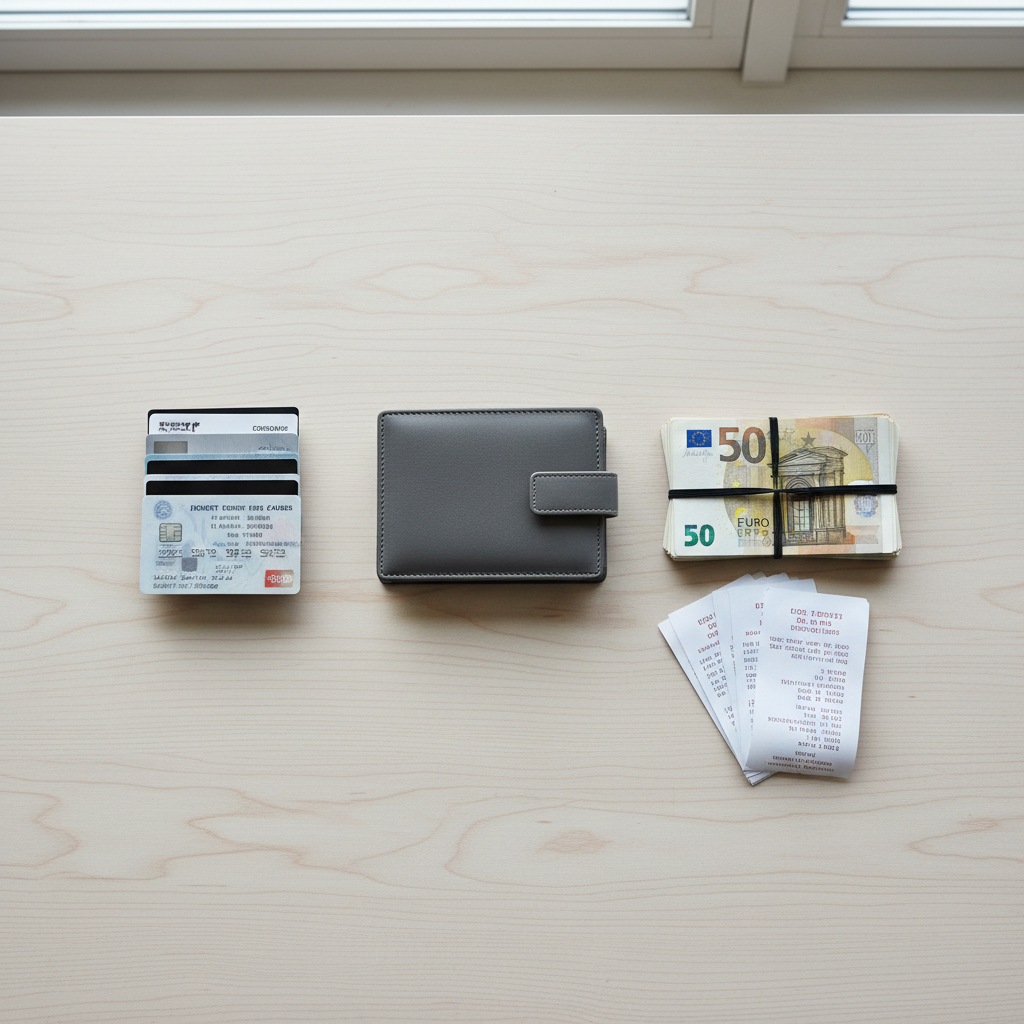
Below is a practical system you can finish in 15–30 minutes, plus a quick maintenance habit so it stays organized instead of slowly sliding back into chaos.
Start with a “wallet audit” (5 minutes, no overthinking)
Empty everything onto a table, yes, everything, including the mystery receipts and that random key you forgot you kept in there. The goal is to see what you truly carry, not what you think you carry.
- Keep: daily-use cards, primary ID, one backup payment method, small amount of cash.
- Move out: rarely used loyalty cards, spare keys, gift cards you never check, stacks of receipts.
- Discard: expired cards, duplicate insurance cards, outdated coupons, junk paper.
Key idea: if an item hasn’t helped you in the last 30–60 days, it probably belongs somewhere else, not in the spot you touch multiple times a day.
Choose a simple wallet “loadout” that matches how you pay
Many people get stuck because they try to copy a minimalist setup that doesn’t fit their real routine. Your best setup depends on whether you tap-to-pay, carry cash, or need multiple IDs for work.
According to Consumer Financial Protection Bureau (CFPB)... keeping only the payment methods you need and tracking your cards helps reduce headaches when something is lost or stolen.
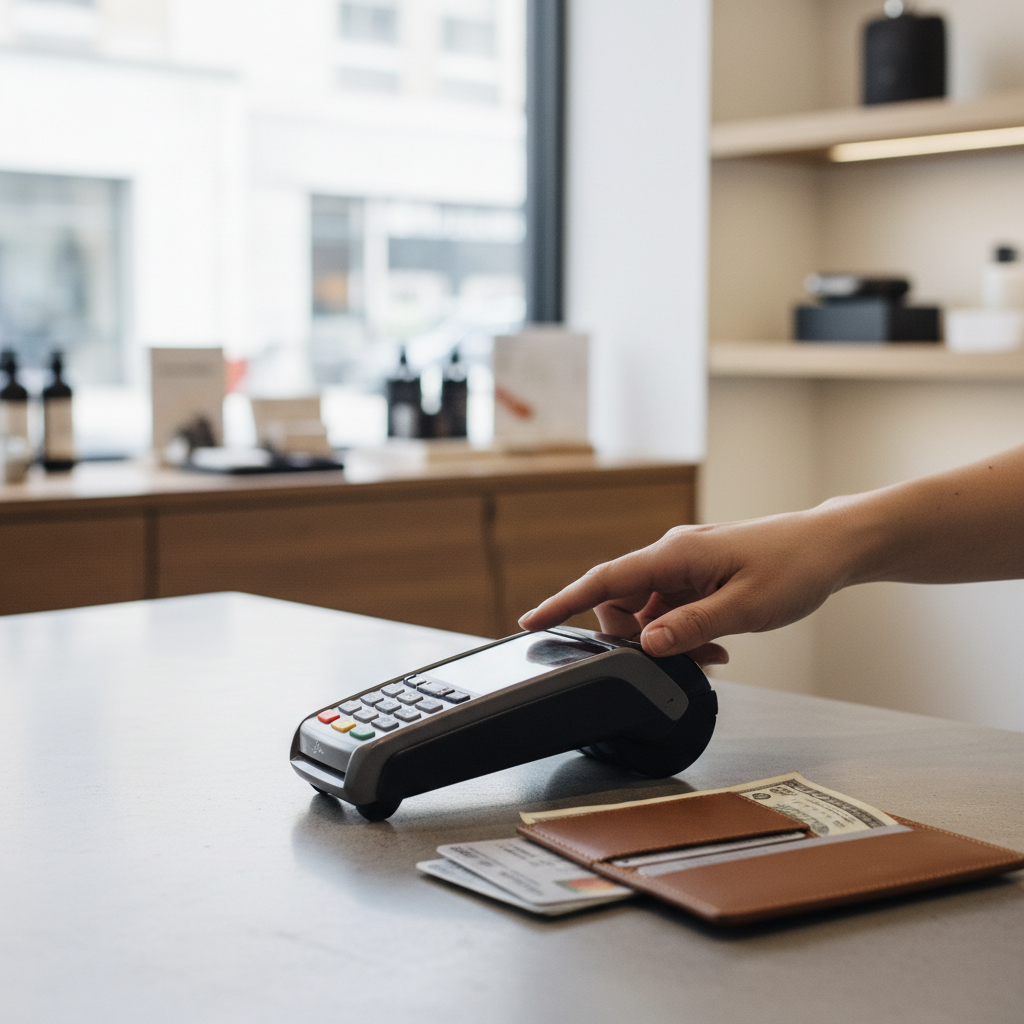
Use this as a starting point, then adjust.
Suggested baseline (works for most people in the US)
- 1 primary debit or credit card you use most
- 1 backup card (different network if possible, like Visa + Mastercard)
- Driver’s license or state ID
- Insurance card only if you routinely need it in-person
- $20–$60 cash (mix of small bills), plus maybe one $20 tucked separately
If you carry more than 6–8 cards daily, it’s worth asking, is this convenience or just habit.
A slot-by-slot layout that speeds up checkout
Once you decide what stays, give every item a “home.” This is the part that makes how to organize wallet efficiently feel effortless later, because you stop re-deciding where things go.
Here’s a layout that tends to work across bifold, trifold, and cardholder styles.
| Wallet area | What to put there | Why it works |
|---|---|---|
| Front/quick-access slot | Main payment card | Fast tap/insert without flipping through cards |
| ID window/ID slot | Driver’s license or state ID | Easy to show without exposing other cards |
| Inner slots (2–4 max) | Backup card, transit card, one “needs sometimes” card | Prevents overstuffing and card bending |
| Cash pocket | Small bills in front, larger bills behind | Stops you from flashing a stack of cash by accident |
| Hidden pocket (if you have one) | Emergency $20, one spare key, or a note with a contact number | Backup without daily clutter |
| Receipt area (temporary) | 1–3 receipts max | Receipts stay controlled, not a permanent archive |
What to do with receipts, loyalty cards, and “just in case” items
This is where wallets quietly fail. It’s rarely the cards, it’s the paper. If you want to organize wallet efficiently and keep it that way, you need a rule for the stuff that multiplies.
- Receipts: keep only what you might return, expense, or warranty-claim, everything else goes in the trash that day.
- Loyalty cards: move to apps when possible, or keep one “top 3” physical rule if your stores still require a scan.
- Gift cards: store at home with a reminder note on your phone, or move balances to an app if supported.
- Business cards: snap a photo and save it, then recycle the paper unless you truly need the physical card.
According to Federal Trade Commission (FTC)... it’s smart to keep records that matter for disputes or returns, but you don’t need to carry every receipt everywhere.
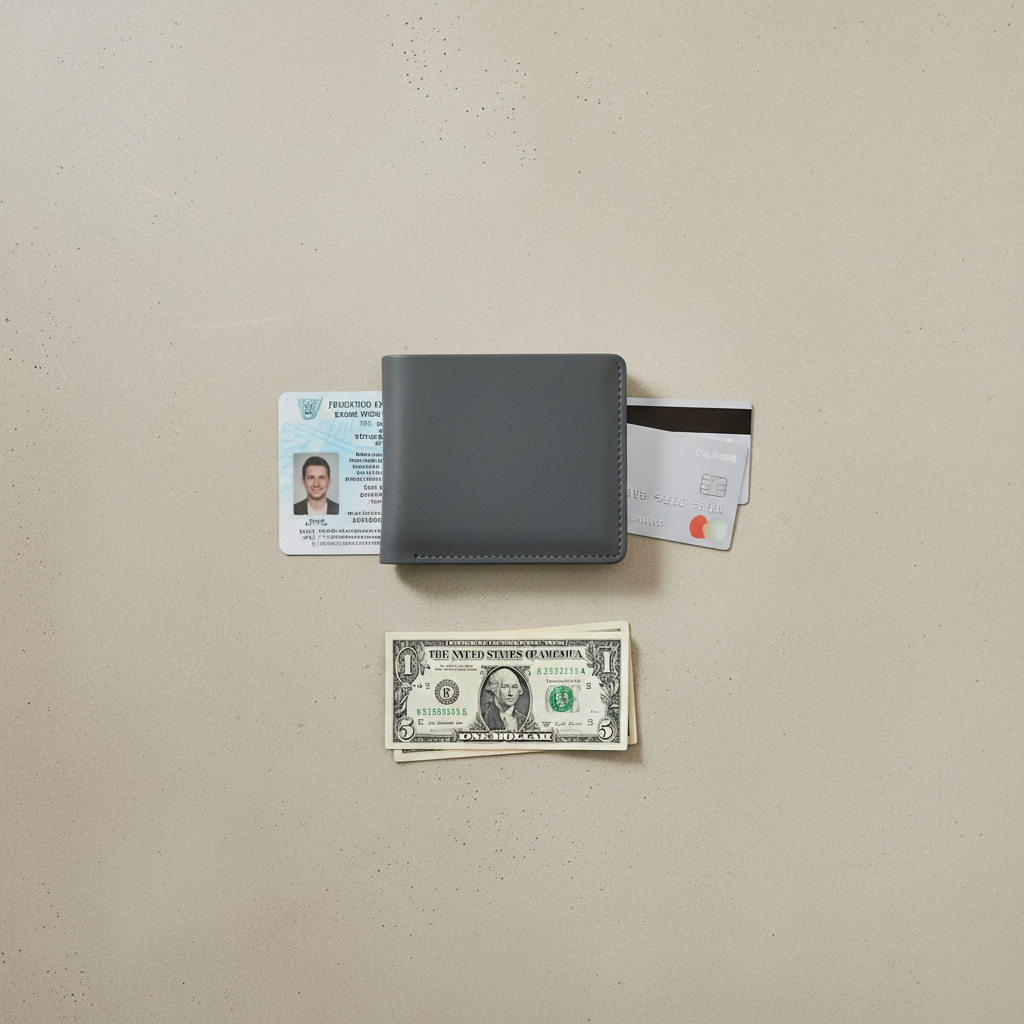
A small mindset shift helps: your wallet is a tool for today and maybe a little bit of tomorrow, it is not a filing cabinet.
Security upgrades that don’t make your wallet bulky
Organizing is also risk management. A slimmer wallet is easier to protect, but you can add a couple of low-effort safeguards.
- Carry fewer cards so a loss hurts less, keep backups at home.
- Use a separate pocket for your phone, many pickpocketing situations involve phone and wallet together.
- Consider RFID-blocking if it gives peace of mind, although real-world risk varies by card type and scenario.
- Keep a list of issuer phone numbers somewhere outside your wallet, so you can freeze/replace cards quickly.
If you travel often or commute in crowded areas, the biggest practical win is usually reducing what you carry, not adding more “security stuff.”
A 10-minute maintenance routine (the part most people skip)
The reason wallets get messy again is simple, you interact with it constantly, and you’re busy. Give yourself a tiny reset ritual that happens on autopilot.
- Daily (30 seconds): move receipts to a “to sort” spot at home, put cash back in order.
- Weekly (3 minutes): remove old receipts, check for duplicate cards, confirm you still want what you carry.
- Monthly (5–10 minutes): review subscriptions or rarely used cards, update any expired items.
Key takeaways: keep a small card set, give each item a home, control paper, and schedule micro-resets. That combination is what makes how to organize wallet efficiently stick in real life.
When you might need a different setup (and it’s not your fault)
Some situations need a less minimal wallet, and forcing it can backfire.
- Work credentials or access cards: consider a separate badge holder, mixing them into your wallet often increases wear and fumbling.
- Medical needs: if you have health conditions, you may want a visible medical ID card, consider asking a clinician what’s appropriate for your case.
- Shared finances: if you manage cards for a family member, label a backup card sleeve at home instead of carrying everything daily.
If your wallet feels like it has to do three jobs, daily carry, work access, and document storage, splitting it into two items can feel weird for a week, then suddenly it’s easier.
Conclusion: A wallet stays organized when it reflects your real routine, not an idealized minimalist photo. Do one quick audit, choose a realistic loadout, assign slots, and adopt a weekly reset, you’ll notice faster checkout and less clutter almost immediately. If you want a simple next step, empty your wallet tonight and rebuild it with only your daily essentials.