
Best deodorant for women sensitive skin usually comes down to one thing: reducing irritation without giving up everyday odor control. If your underarms sting, itch, or turn red after applying deodorant, it’s rarely “just you” being picky—many formulas include fragrance allergens, harsh alcohols, or high-pH ingredients that sensitive skin simply doesn’t love.
What makes this tricky is that “sensitive” can mean different problems, contact allergy, eczema-prone skin, freshly shaved skin, or skin that reacts to sweat plus friction. The product that works for your friend may be the one that sets you off, even if both labels say “gentle.”
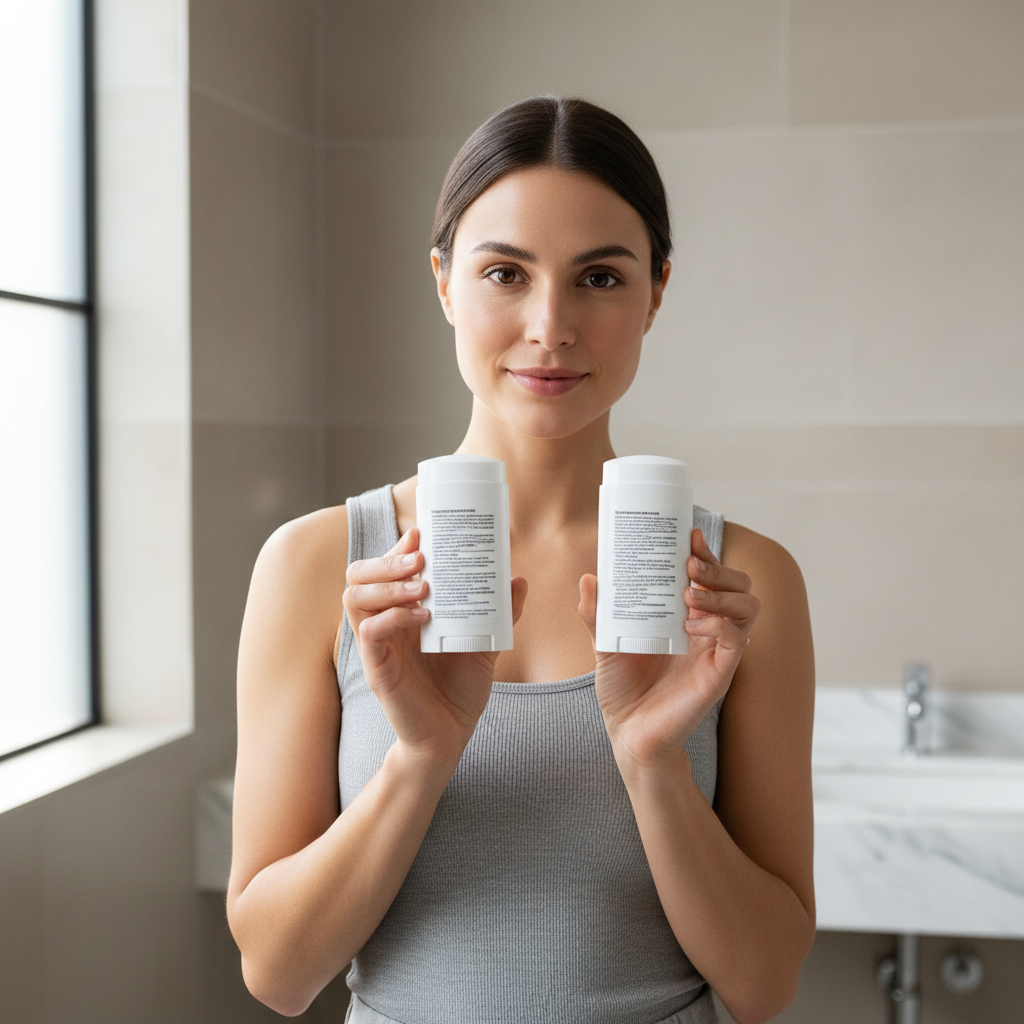
This guide focuses on how to choose a deodorant that’s more likely to cooperate with sensitive underarms in 2026, what ingredients tend to cause trouble, and a practical short-list approach you can use in a store aisle or online. No miracle promises—just the stuff that tends to matter when skin reacts.
What “sensitive deodorant” actually means (and what it doesn’t)
In the U.S., “sensitive” on a deodorant label often signals marketing more than a regulated standard. It may mean no added fragrance, it may mean fewer ingredients, or it may simply mean the brand expects fewer complaints. That’s why you’ll want to read beyond the front label.
Also, deodorant and antiperspirant are not the same. Deodorant targets odor by reducing bacteria and masking smell, while antiperspirant reduces sweat using aluminum salts. Some sensitive users do fine with aluminum, others prefer to avoid it, and both camps can still get irritation if the formula includes a trigger.
According to the American Academy of Dermatology (AAD), fragrance is a common cause of contact dermatitis, and “unscented” products can be a safer choice for people who react easily, though reactions can still happen to other ingredients.
Why deodorant irritates underarms: the usual suspects
Underarms are a perfect storm: thinner skin, heat, moisture, friction, and frequent shaving. Add active ingredients and you get a higher chance of stinging or rash than, say, your forearm.
- Fragrance (including essential oils): even “natural” scents can be allergenic for some people.
- Alcohol-heavy sprays: can sting, especially after shaving or waxing.
- Baking soda (sodium bicarbonate): popular in natural deodorants, but often too alkaline for reactive skin, leading to redness or peeling in many cases.
- Acid-based odor control (AHA/BHA): helpful for odor, but can burn or over-exfoliate if used too often or on compromised skin.
- Preservatives: necessary for safety in many formats, yet specific preservatives can be a problem for specific people.
- Friction + sweat + tight clothing: not an ingredient, but it amplifies irritation and can look like an “allergy.”
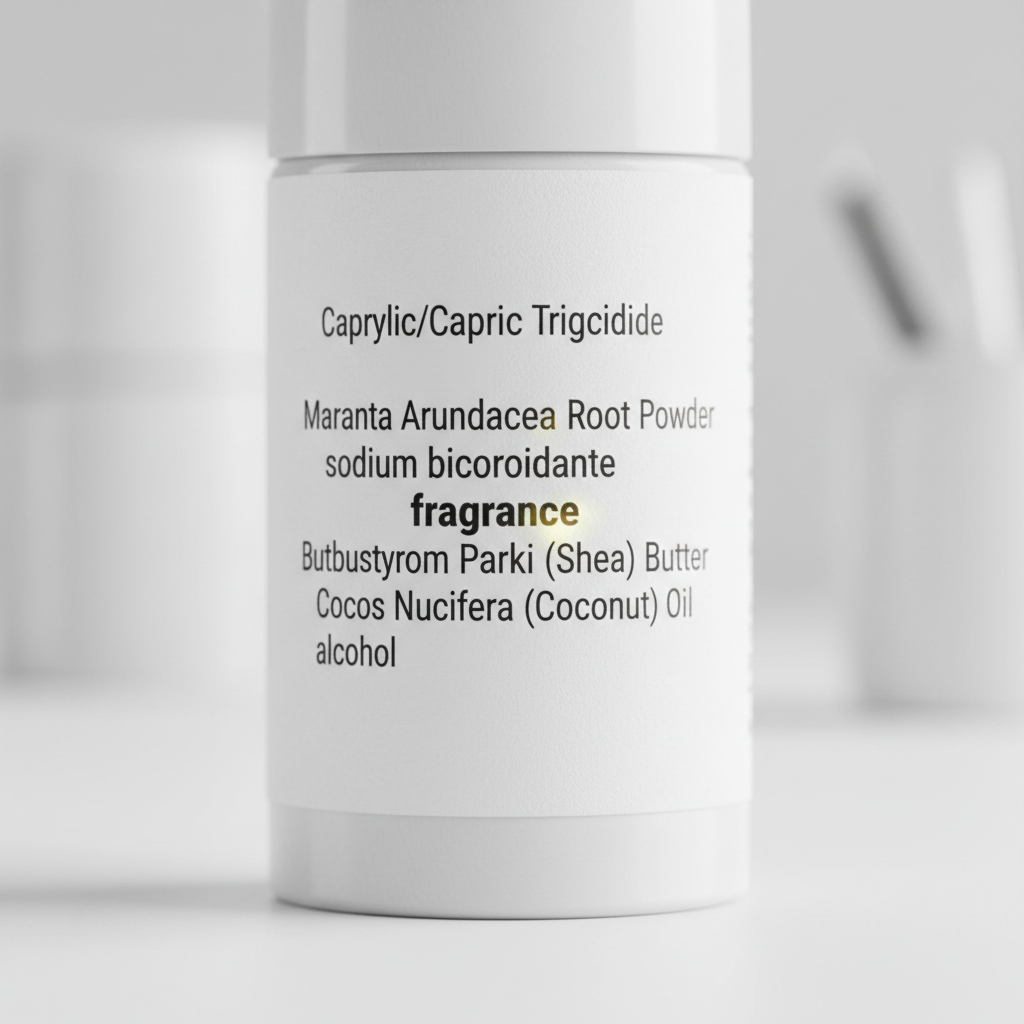
If you’re choosing the best deodorant for women sensitive skin, you’re usually trying to remove the most common triggers first, then fine-tune based on what your skin does over 1–2 weeks.
Quick self-check: which “sensitive” situation are you in?
Before you switch products again, it helps to label the pattern. It makes your next choice less random.
- Immediate sting (minutes): often alcohol, acids, or application right after shaving.
- Itchy rash (hours to 2 days): commonly fragrance allergy or irritation from baking soda/high pH.
- Darkening or persistent roughness: could be friction, inflammation, or over-exfoliation; sometimes the “brightening” actives backfire.
- Bumps or follicle irritation: shaving technique, occlusive sticks, sweat trapped under tight fabric, or bacterial folliculitis can all play a role.
- Odor still breaks through: formula may be too gentle for your sweat level, or you might need a different format (gel vs cream vs stick).
Key point: if you’re getting cracking, weeping, or strong swelling, stop the product and consider checking with a dermatologist or other qualified clinician. That’s beyond “normal adjustment.”
How to pick the best deodorant for women sensitive skin (2026 checklist)
Here’s the practical filter I’d use in 2026, because it narrows the field fast without overcomplicating things.
1) Start with “fragrance-free” (not just “unscented”)
“Unscented” can still include masking fragrance. If you’re reactive, look for fragrance-free wording and scan for “parfum” or essential oils.
2) Decide whether you want deodorant or antiperspirant
If sweat is the main issue, a gentle antiperspirant may reduce wetness and friction, which can indirectly reduce irritation. If you mainly struggle with odor, a deodorant-only option might be enough.
3) Choose a format that matches your skin behavior
- Solid stick: convenient, but can drag on dry or freshly shaved skin.
- Gel: tends to glide, often feels lighter, sometimes better for shaving irritation.
- Cream: can be soothing, but watch for heavy oils if you get bumps.
- Spray: quick, but alcohol-based sprays can sting.
4) Keep the ingredient list short when you’re troubleshooting
When you’re reacting, fewer variables helps. Once you find “safe,” then you can experiment with odor control strength.
Comparison table: common sensitive-skin formula types
This isn’t about brand names as much as it’s about understanding what you’re buying. Use it to sanity-check claims.
| Formula type | Why people choose it | Possible downside for sensitive skin | Who it tends to suit |
|---|---|---|---|
| Fragrance-free deodorant (no baking soda) | Lower allergy risk, fewer stinging triggers | May need reapply for heavy sweaters | Most irritation-prone users |
| Natural deodorant with baking soda | Strong odor control for some | High chance of redness/peeling in many cases | Skin that tolerates pH shifts well |
| AHA deodorant (acid-based) | Targets odor-causing bacteria effectively | Can burn after shaving or with eczema | Users who tolerate gentle acids |
| Gentle antiperspirant (aluminum salts) | Less sweat, less friction and odor | Some people dislike feel, others may still react | Sweat-driven irritation or wetness |
Step-by-step: switching deodorant without triggering another flare
Most people fail here because they change three things at once, then can’t tell what helped. Keep it boring for two weeks.
- Pause when skin is angry: if you have active rash, give your underarms a few days with bland cleanser and no actives; if symptoms are significant, consider professional advice.
- Patch test, even casually: apply a tiny amount to a small underarm area for 2–3 days before full use.
- Apply to fully dry skin: moisture increases sting and friction.
- Avoid right-after-shave application: many people do better waiting several hours or applying the next morning.
- Use less than you think: two light passes often beat one heavy coat for sensitive skin.
- Track only two signals: irritation (0–10) and odor control (0–10). Simple notes beat guesswork.
Common mistakes that keep sensitive underarms stuck
- Chasing “stronger” with more layers: reapplying a stinging formula can turn mild irritation into a full rash.
- Assuming “natural” equals gentle: essential oils and baking soda are frequent troublemakers.
- Using exfoliating acids daily: some people tolerate AHA deodorants better every other day, especially if they shave often.
- Ignoring fabric and friction: tight synthetic tops plus sweat can mimic product allergy.
- Switching too fast: give a new option 10–14 days unless you get clear worsening.
According to the U.S. Food and Drug Administration (FDA), antiperspirants are regulated as over-the-counter drugs because they affect sweat production, so if you use one and get persistent irritation, it’s worth taking the reaction seriously and stopping use.
Conclusion: what to buy when you just want relief
If you want a low-drama starting point, look for a fragrance-free, low-irritant formula, pick a format that doesn’t drag on skin, and avoid baking soda while you’re troubleshooting. In a lot of real-world routines, that combination gets you to “comfortable and acceptable odor control,” which is the actual win.
Your next move: choose one product type from the table, patch test for a few days, and commit to a two-week trial with minimal changes. If you keep reacting no matter what you try, that’s a reasonable time to consult a dermatologist and discuss contact allergy testing or a barrier-repair plan.
Key takeaways:
- Fragrance-free usually beats “unscented” for reactive skin.
- Baking soda works for some, but it’s a common irritation trigger.
- Application timing matters as much as the formula, especially with shaving.
- The best deodorant for women sensitive skin is the one you can use consistently without low-grade inflammation.
If you’re shopping and want a quicker short-list, start with fragrance-free options designed for sensitive skin, then narrow by format and whether you want sweat reduction or odor-only control.