
Men travel duffel bag waterproof is one of those searches you make after a bad moment, a wet car trunk, a surprise downpour on the way to the hotel, or a leaky shampoo that turned your clothes into a scented mess.
The good news is you don’t need a “tactical” bag or a huge budget to get real protection, you just need to know what brands and product pages often skip: what “waterproof” actually means, where water usually gets in, and which features pay off after a few trips.
This guide breaks it down in plain terms, then gives you a quick checklist and a simple way to choose a duffel that matches your travel style, weekend road trips, gym-to-office, or frequent flights.
Waterproof vs. water-resistant: what you’re really buying
Most shoppers get burned here because listings mix terms, and in real life they behave differently. A truly waterproof duffel can handle sustained exposure to rain or splashes without soaking through, while water-resistant fabric might shrug off a drizzle but surrender at seams, zippers, and high-pressure contact points.
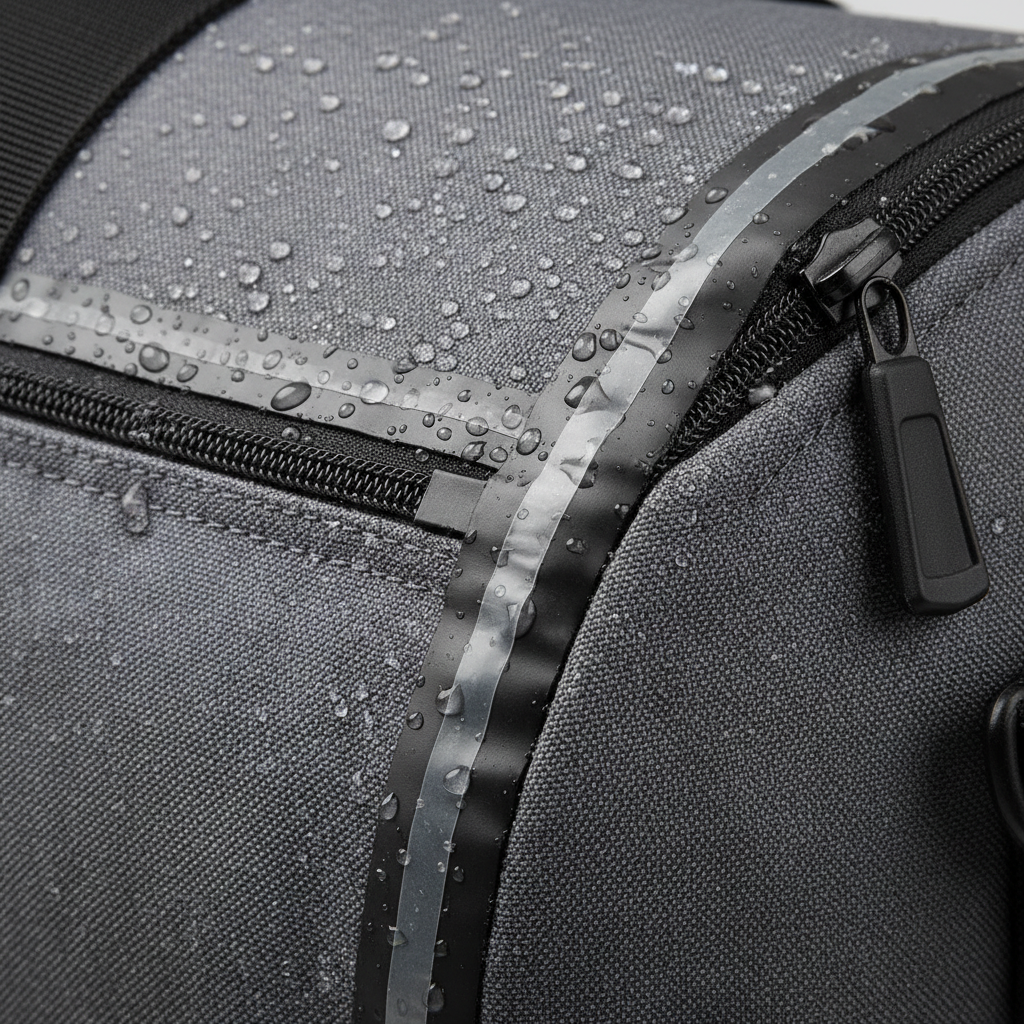
Here’s how to interpret common product language without overthinking it.
- Waterproof fabric: often TPU-laminated nylon, PVC tarpaulin, or coated polyester. Fabric itself blocks water well.
- Waterproof construction: sealed seams and protected openings. This is where many “almost waterproof” bags fail.
- Water-resistant: usually a DWR-coated fabric (durable water repellent). Fine for light rain, not for long exposure.
According to NOAA (National Weather Service), weather can shift quickly even within the same day, so if you travel in regions with frequent showers, “resistant” can be a gamble when you’re walking curb-to-terminal or waiting for a rideshare.
Where water gets in (and why most duffels leak)
Even with solid fabric, water usually enters through weak points, not the main panel. If you remember that, you’ll read product photos differently.
- Zippers: standard coil zippers act like tiny gutters. Look for coated zippers or zipper garages (fabric covers at the ends).
- Seams: stitched seams can wick moisture. Taped seams or welded seams help a lot.
- Bottom panel: sets on wet pavement, gym floors, boat docks, and truck beds. A reinforced, coated base matters more than people think.
- Vent ports and mesh pockets: great for breathability, bad for “waterproof.” Decide what you value more.
If your goal is “my clothes stay dry in heavy rain,” prioritize construction over extra pockets, because pockets add seams, seams add risk.
Material guide: what to choose for your travel style
Materials aren’t just marketing, they change how the bag folds, how it scuffs, and how it smells after a damp weekend. This table is a practical cheat sheet.
| Material | Water protection | Durability & feel | Best for |
|---|---|---|---|
| TPU-laminated nylon | High | Tough, lighter than tarpaulin, slightly “rubbery” | Frequent travel, carry-on duffels, mixed weather |
| PVC tarpaulin | Very high | Rugged, can feel stiff, may scuff | Outdoor trips, boat days, rough handling |
| Coated polyester | Medium to high | Often affordable, varies by coating quality | Weekenders, gym + short trips |
| DWR-coated fabric | Low to medium | Soft, flexible, usually looks “normal” | Light rain, city use, as long as you pack smart |
One honest note, “waterproof” coatings can wear over time, especially if the bag rubs against concrete or gets stuffed under airplane seats. If you travel often, choose a slightly tougher fabric than you think you need.
Quick self-check: which waterproof duffel do you actually need?
Before you buy, answer these quickly. Your results usually point to the right category without obsessing over specs.
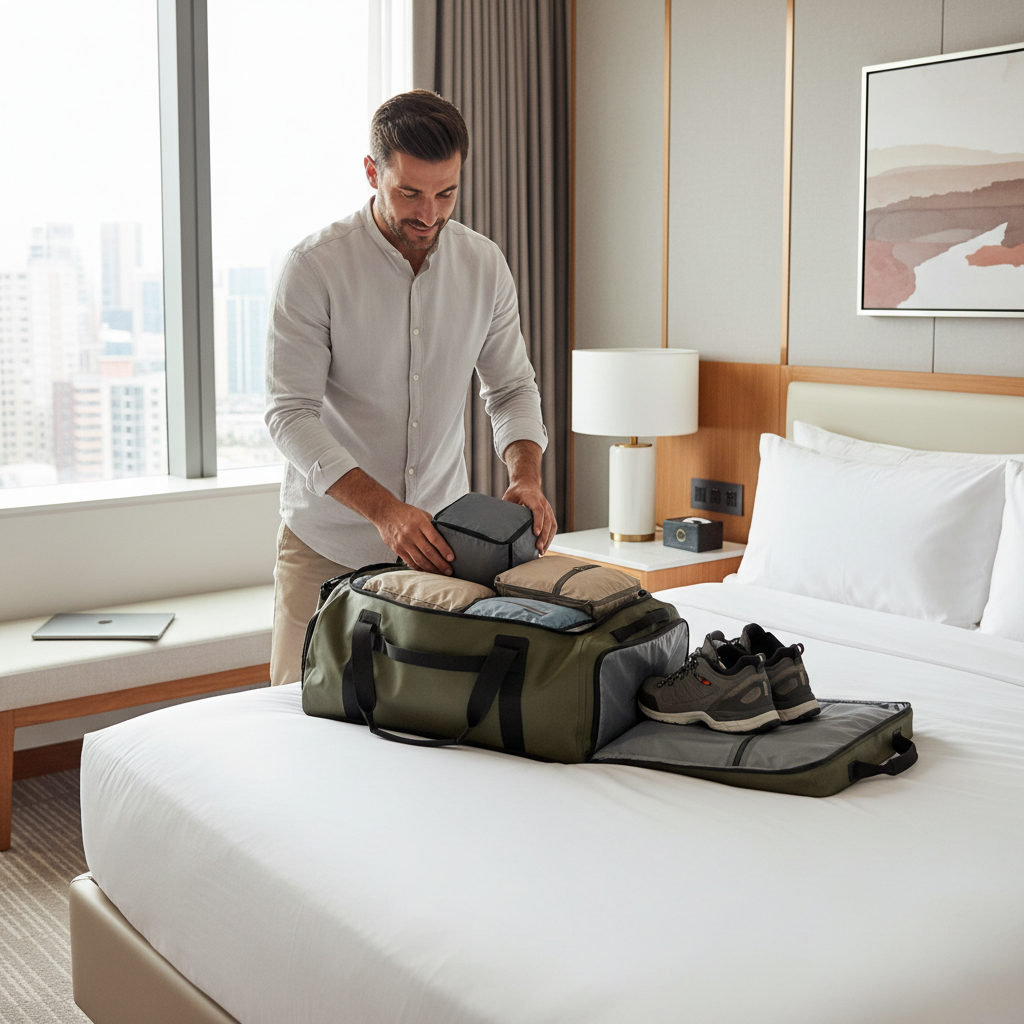
- How often are you in real rain? If it’s common, look for sealed seams and coated zippers, not just “waterproof fabric.”
- Do you check bags or carry on? Checking means rougher handling and more time on wet tarmac, tougher base helps.
- Do you carry electronics? If yes, you’ll want an internal dry pocket or a removable waterproof pouch.
- Gym + travel combo? A separate shoe/wet pocket matters more than extreme waterproofing.
- How do you pack? Overpackers stress zippers and seams, so reinforced stitching and strong zipper pulls matter.
Key takeaway: most people don’t need “submersible,” they need “keeps clothes dry during bad weather and messy transit.” That’s a narrower, more achievable target.
Features that matter (and which ones are mostly hype)
A men travel duffel bag waterproof on the outside can still be annoying to use if basic ergonomics are off. These are the features that tend to earn their keep.
Worth paying for
- Protected zipper track: coated zipper, flap cover, or both.
- Reinforced bottom: thicker fabric, extra layer, or molded base feet.
- Removable shoulder strap with real padding: small detail, big difference after 20 minutes.
- Grab handles that wrap: reduces hand strain, especially on heavier loads.
- Interior organization you’ll actually use: one wet pocket plus one valuables pocket often beats six tiny slots.
Often overrated
- Too many exterior pockets: they look useful, but add seams and leak points.
- “Military-grade” language: not a standard, treat it as branding unless construction details back it up.
- Hard-shell panels: can protect shape, but sometimes waste space and reduce packability.
How to choose the right size for flights, road trips, and weekends
Size mistakes usually go one of two ways, too small so you end up carrying an extra tote, or too big so it’s uncomfortable and risks carry-on issues. Many U.S. travelers land in a practical range: roughly 35L–55L depending on trip length and packing style, though airline carry-on rules vary by carrier and route.
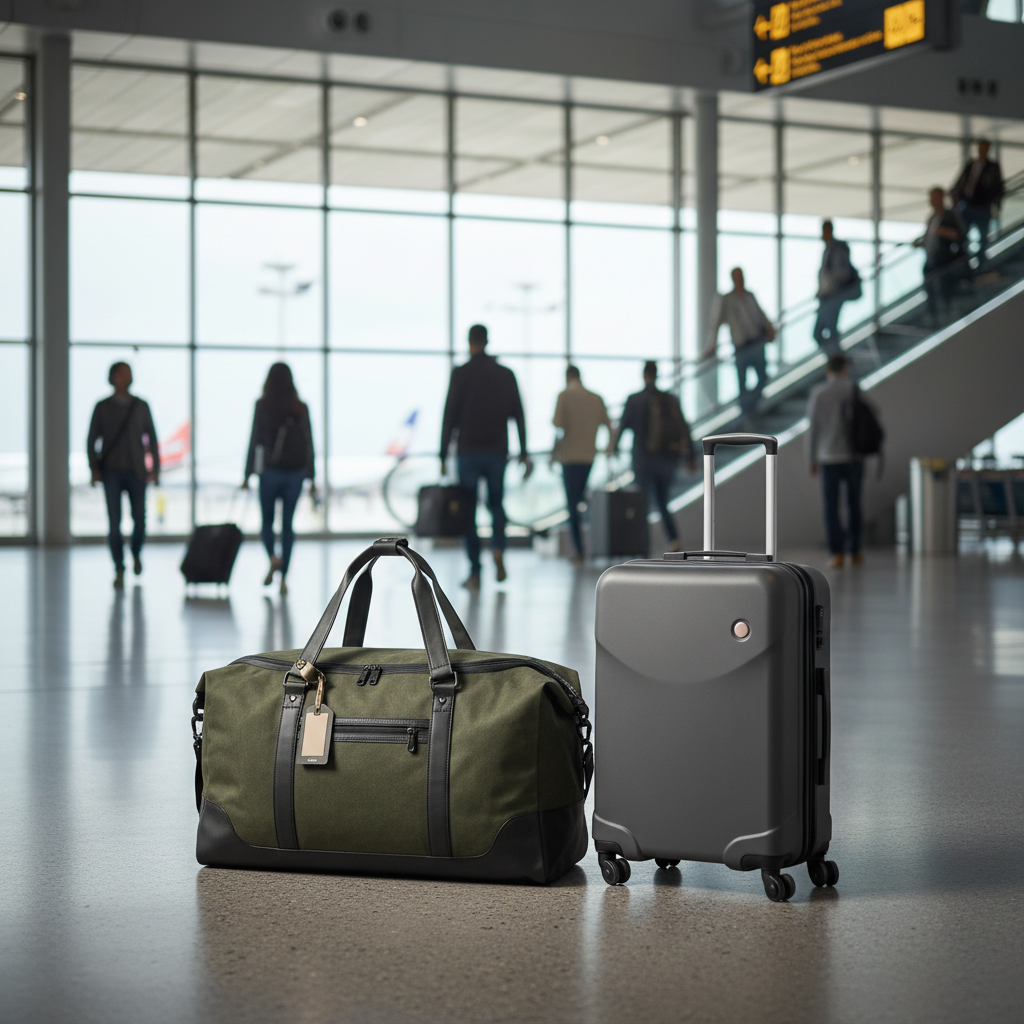
If you want a simple approach, match the duffel size to how you move through the day.
- Overnights and gym-to-hotel: smaller duffel, easier to carry, faster to pack.
- 2–4 day trips: mid-size, enough for shoes plus layers without turning into a beach ball.
- Long weekends with jackets: larger volume, but only if you’re fine carrying it longer distances.
For flying, it’s smart to double-check your usual airline’s carry-on size limits before buying, because “fits overhead” depends on bag shape, how full you pack it, and the aircraft type.
Practical packing tips to keep gear dry (even if the bag isn’t perfect)
Even a strong bag benefits from how you pack. This is the part people skip, then blame the duffel.
- Use a wet/dry split: shoes and damp clothes in a dedicated pocket or a sealed laundry bag.
- Bag liquids twice: a toiletry pouch plus a simple zip bag cuts leak risk.
- Protect seams from pressure: don’t press a wet towel against the sidewall for hours, it can push moisture through stitching.
- Electronics go high: keep laptop/tablet away from the bottom panel where puddles and condensation happen.
If you regularly travel through heavy rain, consider a lightweight pack liner or dry sack inside the duffel, it’s cheap insurance and doesn’t require buying a whole new bag.
Common mistakes buyers make (so you don’t repeat them)
The biggest mistake is trusting the word “waterproof” without checking closures and seams. The second is buying an ultra-stiff tarpaulin duffel for normal city travel, then getting annoyed when it doesn’t compress, doesn’t fit under seats, and feels awkward in tight spaces.
- Assuming zipper = waterproof: if the zipper isn’t coated or covered, treat it as a weak spot.
- Ignoring strap hardware: low-quality clips and D-rings fail faster than fabric.
- Skipping comfort: a men travel duffel bag waterproof can still be miserable if the strap digs into your shoulder.
- Not thinking about odor: fully sealed bags can trap smells, you’ll want a way to air it out between trips.
When it’s worth getting expert help or a specialty bag
If you’re using a duffel for boating, motorcycling, or environments where prolonged water exposure is routine, it may be worth talking to an outdoor gear specialist or checking manufacturer guidance for submersion ratings and closure systems. For some jobs, a roll-top dry duffel makes more sense than a zipper duffel, even though it’s slower to access.
And if you’re carrying high-value camera gear or medical devices, consider asking a professional retailer about protective inserts or dedicated waterproof cases, because “waterproof travel bag” claims don’t always cover impact protection.
Conclusion: a smart way to buy your next waterproof duffel
A solid waterproof duffel isn’t about chasing the most extreme spec, it’s about covering the real failure points: zippers, seams, and the bottom panel. Pick the size that matches how you travel, then prioritize construction details over flashy extras.
If you do one thing today, make a short list of your non-negotiables, rain exposure level, carry-on needs, and whether you need a wet pocket, then shop with those in mind rather than product adjectives.
FAQ
What does “waterproof” mean on a travel duffel bag listing?
It can mean waterproof fabric only, or waterproof construction with sealed seams and protected zippers. If the listing doesn’t mention seams or zipper protection, expect decent rain resistance but not full storm-proof performance.
Is a men travel duffel bag waterproof enough for airport tarmac rain?
Many are fine for short exposure, but tarmac rain plus handling can force water through zippers and seams. If you check bags often, look for a reinforced base and covered or coated zippers, and pack electronics in an internal dry pouch.
Are waterproof zippers actually waterproof?
They usually reduce water entry a lot, but performance varies by design and wear. In heavy rain, a zipper flap or garage adds extra protection, and it’s often more reliable than zipper coating alone.
What size waterproof duffel works best as a carry-on?
Many travelers do well with a mid-size duffel that doesn’t bulge when packed, but airline rules vary. Check your most-used carrier’s carry-on dimensions, then choose a bag shape that stays compact when full.
How do I maintain a waterproof duffel so it keeps working?
Rinse off grime, let it dry fully before storage, and avoid harsh detergents that can degrade coatings. If it uses DWR, a reapplication product may help over time, follow the brand’s care instructions.
Can I use a waterproof duffel bag for wet swim gear without odor problems?
You can, but fully sealed compartments can trap smell. A removable wet bag or vented wet pocket often feels more practical, and rinsing salty or chlorinated items before packing helps too.
Is tarpaulin better than TPU-laminated nylon for travel?
Tarpaulin usually handles abuse and heavy rain well, but it can be stiff and bulky. TPU-laminated nylon often balances weather protection with packability, which many frequent flyers prefer.
If you’re trying to pick a men travel duffel bag waterproof enough for your routes, and you’d rather not spend hours comparing unclear listings, it helps to start from your trip pattern and narrow to two or three constructions that fit, then decide based on comfort and pocket layout.