
Best dress shoes for men comfortable usually come down to one thing: the shoe fits your foot and your day, not just your outfit. If you’ve ever bought “nice” shoes that looked sharp but felt like a punishment by hour two, you already know the gap between style and comfort is real.
Comfort matters more than most guys expect because dress shoes often show up on your longest days, weddings, travel, conferences, or commuting. When your feet start hurting, posture changes, you walk differently, and that can snowball into knee, hip, or back irritation for some people.
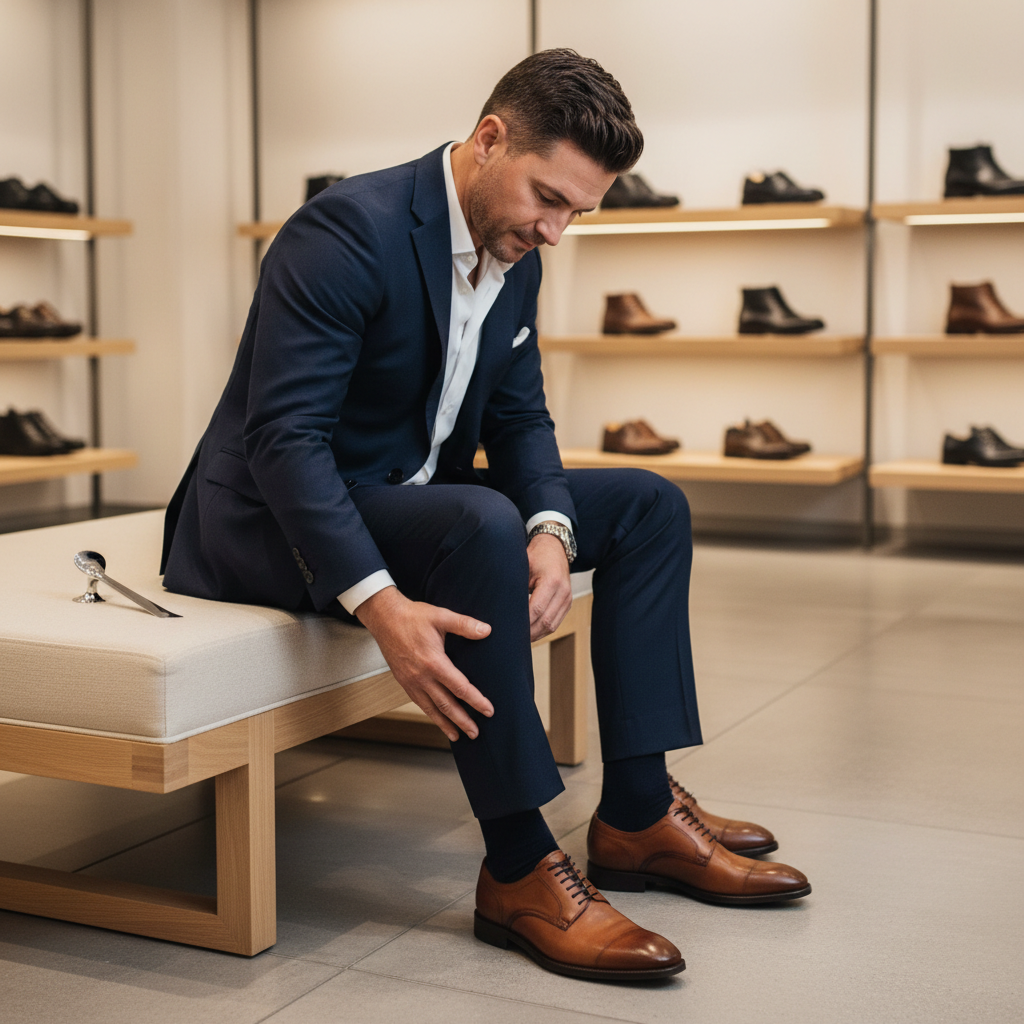
This guide focuses on what actually makes a dress shoe comfortable, how to self-check fit, and how to choose a pair based on your real use case, office days, lots of walking, standing on concrete, or “mostly sitting but I need to look polished.”
What “comfortable” dress shoes really means (and what it doesn’t)
Comfort in dress shoes is less about one magic feature and more about pressure management: toe space, arch support, cushioning under impact zones, and stable heel fit. A shoe can be “soft” yet still wreck your feet if the last shape fights your foot.
- Comfortable: your toes can spread slightly, heel doesn’t slip, no sharp edge digging into the instep, and you can walk naturally.
- Not automatically comfortable: “genuine leather” labels, super stiff soles, ultra-pointy toes, or shoes that rely on “breaking in” through pain.
According to the American Podiatric Medical Association (APMA), choosing shoes with adequate support and a proper fit can help reduce foot stress and discomfort during daily wear. That’s not glamorous advice, but it’s the difference between a shoe you tolerate and a shoe you keep reaching for.
Why dress shoes hurt: common causes in real life
If a dress shoe hurts, the cause is usually predictable. Here are the patterns that show up over and over.
- Toe box too narrow: especially in sleek oxfords with tapered fronts, your forefoot gets compressed and the pressure builds fast.
- Wrong length or “just a bit small”: your foot slides forward and jams the toes, or the ball of your foot lands in the wrong spot on the shoe’s flex point.
- Thin outsole + hard insole: looks refined, feels brutal on tile or concrete, particularly if you walk a lot between buildings.
- Low instep volume mismatch: lace-up shoes can bite the top of the foot when the tongue and eyelets press down.
- Heel slip: makes you grip with your toes to stabilize, which can cause fatigue and hot spots.
One more thing people miss: socks. Thin “dress socks” can increase friction, and friction turns into blisters, fast. Sometimes the fix is as unsexy as a slightly thicker merino blend sock.
Quick self-check: are you shopping for the right comfort category?
Before comparing brands or styles, figure out which comfort problem you’re solving. This takes two minutes and saves a lot of returns.
Comfort needs checklist
- Walking-heavy days (commute, airports, city blocks): prioritize cushioning and a flexible forefoot.
- Standing (retail, events, presentations): look for stable arch support and a shock-absorbing heel.
- Wide feet or bunion-prone: seek wide sizes and rounder toe shapes, avoid very tapered lasts.
- High arches: you may do better with removable insoles so you can add supportive inserts.
- Hot feet: breathable linings and real leather uppers can help, synthetic can trap heat.
If you’re not sure, pick the “walking-heavy” criteria. Most discomfort shows up when you move, not when you stand still in front of a mirror.
Comfort features that actually matter (with a simple comparison table)
When people search for the best dress shoes for men comfortable enough for all day, they often over-index on one feature, like “soft leather.” Better approach: check the full package.
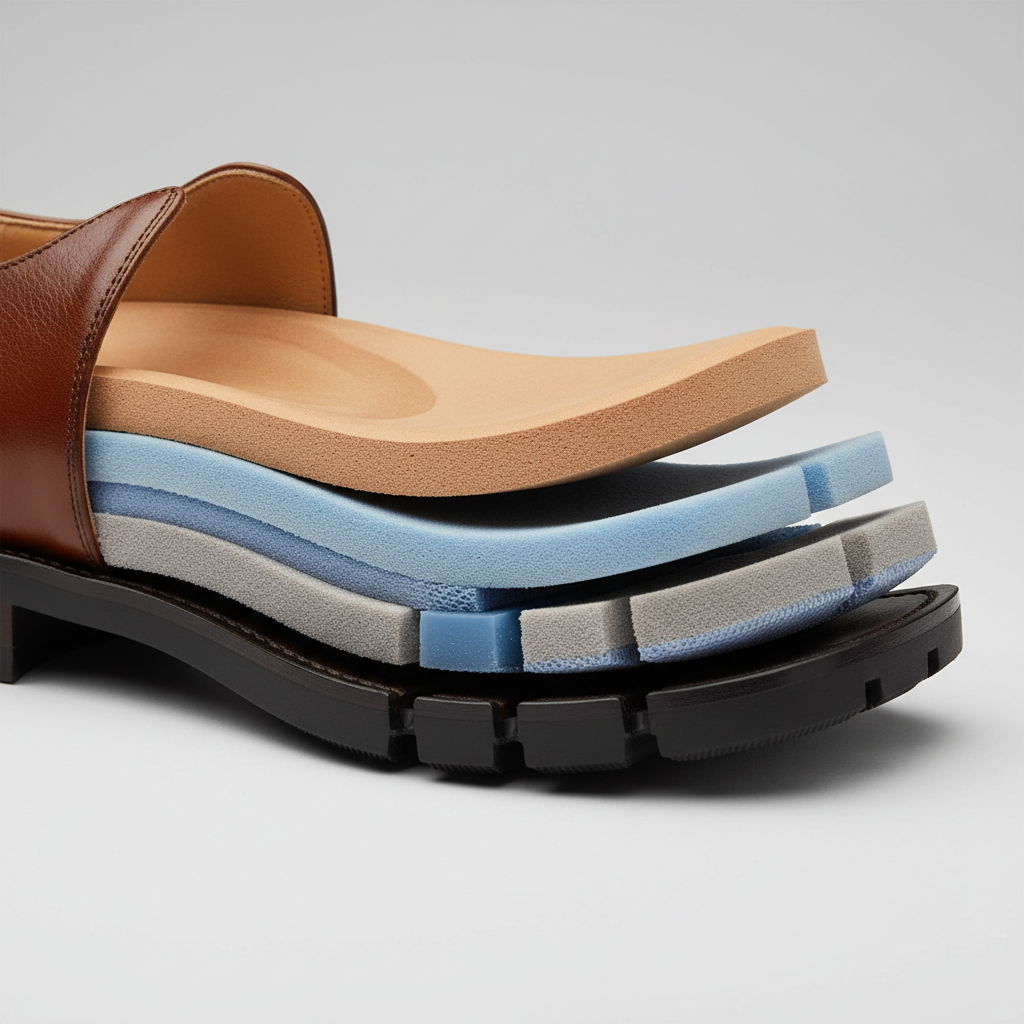
| Feature | Why it helps | What to watch for |
|---|---|---|
| Roomy toe box | Reduces forefoot squeeze and numbness | “Pointy” shapes can look sleek but run narrow |
| Supportive insole | Spreads load across the foot, less fatigue | Some shoes have padding but little structure |
| Cushioned midsole | Absorbs impact on hard floors | Too soft can feel unstable for long standing |
| Flexible forefoot | Lets your foot bend naturally while walking | Ultra-stiff soles can cause arch strain |
| Secure heel counter | Prevents slip and reduces blister risk | Loose heels feel “easy” at first, then hurt |
| Multiple widths | Better fit without sizing up too long | Lengthening to gain width often creates toe issues |
Choosing the right style for comfort: Oxford vs Derby vs Loafer (and more)
Style affects comfort because it changes adjustability and where pressure lands on your foot.
Derby (open lacing): the quiet comfort winner
For many guys, a derby is the easiest path to comfort because it adjusts across the instep. If you have a higher instep or slightly wider midfoot, this can be the difference between “fine” and “I can wear these all day.”
Oxford (closed lacing): sharp, but pick carefully
Oxfords can be comfortable, but the fit tends to be less forgiving. If you’re set on an Oxford, pay extra attention to toe box shape and make sure the throat area doesn’t pinch the top of your foot.
Loafers: great when the fit is dialed
Loafers can feel amazing, or they can chew up your heel. Look for a structured heel counter and consider a slightly snugger fit since there’s no lacing to lock you in.
Dress “sneaker-sole” hybrids
These can be a smart compromise for commuting-heavy jobs. The tradeoff is formality: some offices read them as business casual, not true business formal.
How to fit dress shoes for real comfort (practical steps)
You can buy the most comfort-focused model and still end up miserable if the fit is off. This is the part people rush, then blame the shoe.
- Try on later in the day: feet often swell slightly, so you’re fitting for reality, not morning optimism.
- Check toe room: you want a thumb’s width in front of the longest toe, but also enough width so toes aren’t stacked.
- Lock the heel: walk on a hard surface, mild movement is normal, repeated slipping is a problem.
- Find the flex point: the shoe should bend where your foot bends, near the ball of the foot.
- Wear the socks you’ll actually use: especially if you plan on thicker socks in winter.
If you use orthotics or prefer supportive insoles, choose a pair with a removable footbed when possible. If pain persists or you have a known foot condition, it’s reasonable to ask a podiatrist or footwear specialist for guidance.
Comfort upgrades you can do at home (without ruining the look)
Sometimes the “best dress shoes for men comfortable” outcome is your current pair plus a few tweaks. This works especially well when the shoe fits in length/width but feels harsh underfoot.
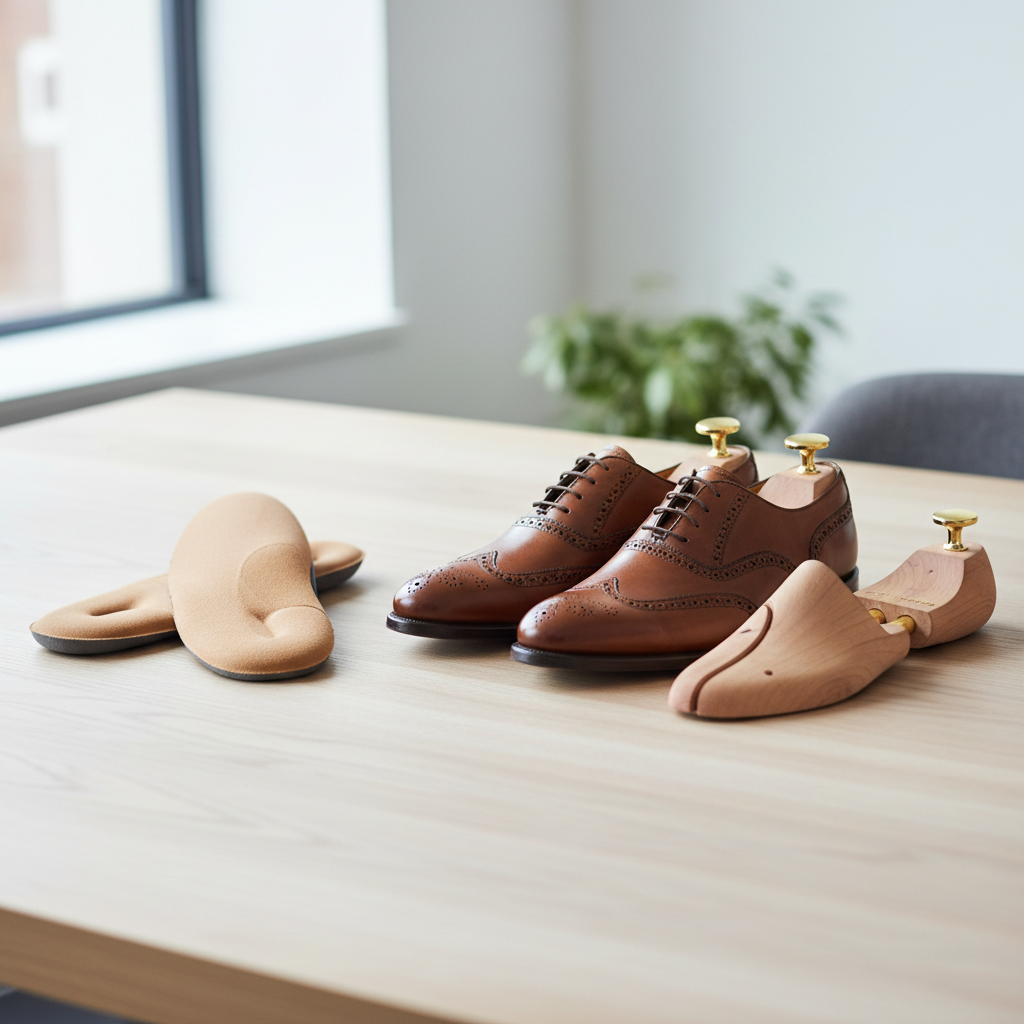
Quick comfort fixes:
- Swap insoles: a thin supportive insole can add structure without making the shoe too tight. If it crowds your toes, back off and prioritize width.
- Heel grips: helpful for loafers or slight heel slip, also reduces blister friction.
- Moleskin or blister patches: good for known hot spots during break-in week.
- Stretching (carefully): a shoe stretcher can help mild tightness; aggressive stretching can distort the upper, so go slowly.
- Break-in with short wears: 30–60 minutes at home beats a full day trial by fire.
Common mistakes that keep “comfortable” shoes uncomfortable
- Buying longer to get more width: this often creates sliding and toe jamming, then you chase the problem with heel pads.
- Assuming pain is normal: mild stiffness is one thing, sharp pressure points are a different story.
- Ignoring return windows: if a shoe still feels wrong after a few short indoor wears, it probably won’t magically transform.
- Prioritizing thin leather soles only: beautiful, yes, but many guys do better with a rubber-injected sole or a discreet rubber top lift.
According to the American Academy of Orthopaedic Surgeons (AAOS), footwear that fits well and supports your feet can play a role in reducing strain during walking and standing. If you notice numbness, persistent heel pain, or worsening discomfort, consider professional advice rather than “toughing it out.”
Key takeaways and a simple buying plan
If you’re trying to make a confident pick, keep it simple: match the shoe to your day, then nail the fit.
- Pick the right structure: a derby or comfort-forward hybrid often wins for long walking days.
- Fit beats features: toe box width and heel security decide most comfort outcomes.
- Upgrade smart: supportive insoles and heel grips solve a lot, as long as the shoe isn’t fundamentally too narrow.
Your next step: choose one style you’ll wear weekly, order two sizes or two widths if possible, and keep the winner based on a real indoor walk test. That’s the most reliable way to land on dress shoes you’ll actually want to put on.
FAQ
What are the best dress shoes for men comfortable enough for all-day wear?
Look for a supportive insole, a forgiving upper, and a sole with some shock absorption. For many feet, derby styles and dress shoe hybrids tend to work well, but the best option still depends on your width and arch needs.
Are leather soles less comfortable than rubber soles?
Often, yes on hard surfaces. Leather soles can feel smooth and refined, but many people experience less impact fatigue with rubber or rubber-injected outsoles, especially when walking outside.
How should dress shoes fit in the toe box?
You want space in front of your longest toe and enough width so toes aren’t pressed together. If you feel tingling, numbness, or burning across the forefoot, the toe box is probably too narrow.
Do “break-in” periods actually work?
They can, within limits. Leather can soften and mold a bit, but it won’t fix a shoe that is structurally the wrong shape for your foot or clearly too small.
Can I make dress shoes more comfortable with insoles?
Insoles can help a lot if the shoe has enough internal volume. If adding an insole makes your toes cramped or creates instep pressure, you likely need a different size or width.
Are loafers comfortable for walking a lot?
They can be, but fit is less adjustable than lace-ups. If you walk a lot, prioritize loafers with a secure heel counter and a sole that won’t feel like a plank by midday.
When should I see a professional about foot pain from dress shoes?
If you get persistent heel pain, numbness, sharp forefoot pain, or symptoms that linger after you stop wearing the shoes, it’s sensible to consult a podiatrist or qualified clinician, especially if you have diabetes or circulation concerns.
If you’re trying to find a more dependable shortcut, focus your search on brands that offer multiple widths, removable footbeds, and easy returns, then test at home on a hard floor for a few short sessions. It’s not the most exciting process, but it’s usually the quickest path to a pair that looks professional and feels human.