
Best lip gloss for shiny lips usually comes down to one thing: you want that wet-looking shine without the sticky, stringy feel, and without your hair getting glued to your mouth the second you step outside.
This is why picking “any gloss” often disappoints, formulas vary a lot in texture, plumping ingredients, scent, and how evenly they fade. Two glosses can look identical for 10 minutes, then one turns patchy while the other keeps a smooth mirror finish.
Below, you’ll get a practical way to shop: which finishes look truly shiny, what ingredients change comfort, and how to choose based on your lips and your routine. I’ll also call out common traps, like over-chasing “plumping” when you really just need a better base routine.
What “shiny” really means in lip gloss (and why some glosses look dull)
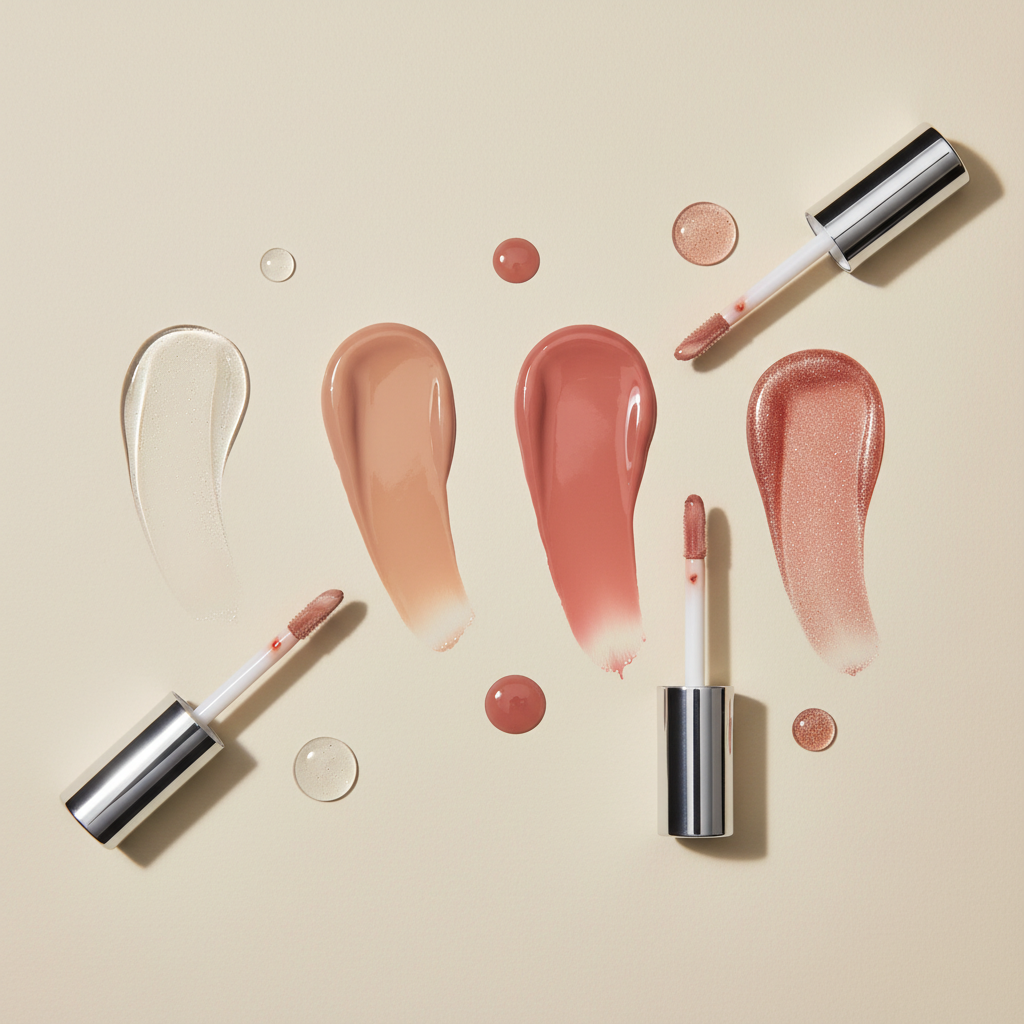
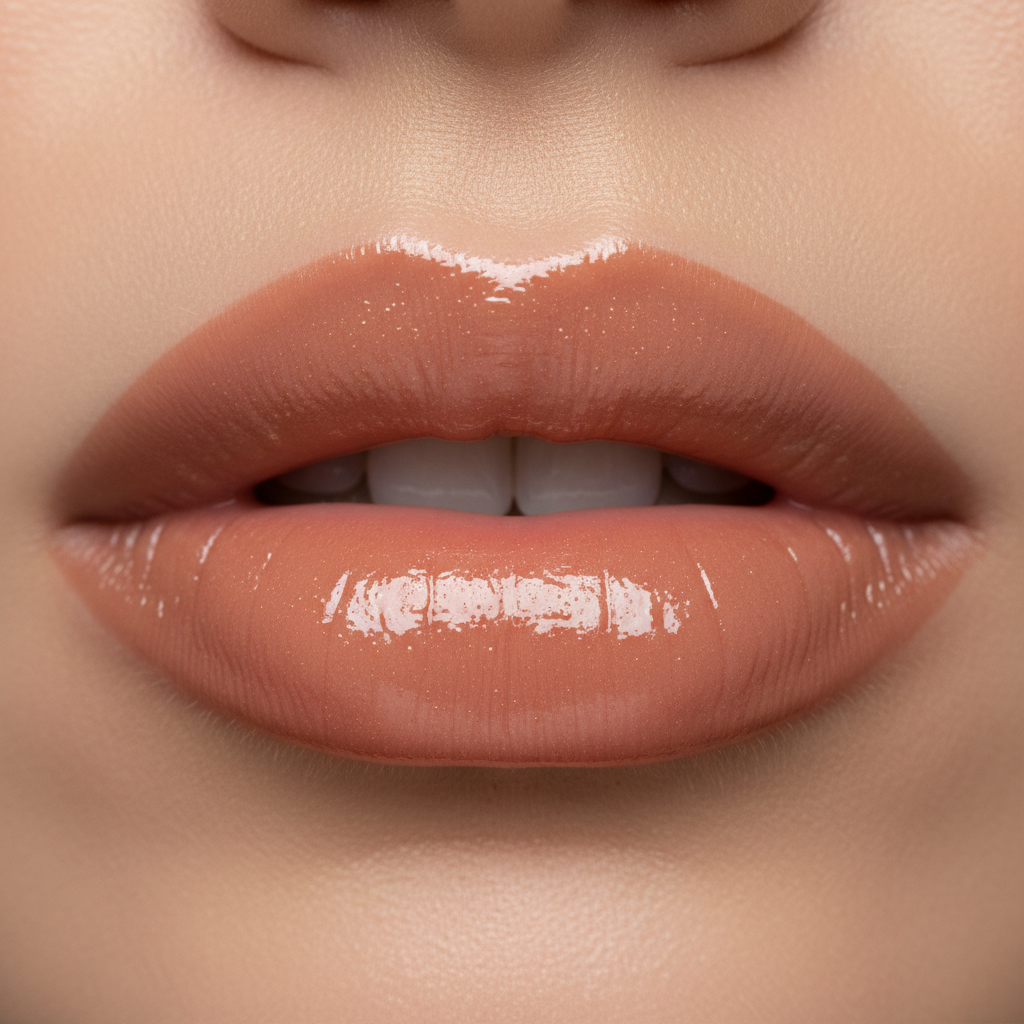
Shine is mostly about how light reflects off your lip surface. If the film is smooth and even, you get a glassy highlight. If it’s uneven, too thin, or grabs onto dry patches, shine turns into random sparkle or a flat sheen.
- Glassy / lacquer shine: looks like a reflective layer, usually comes from high-slip oils and smooth polymers.
- Shimmer shine: reflective particles create sparkle, but can read “glittery” instead of wet.
- Balmy shine: comfortable and soft, but typically less mirror-like and fades faster.
One more detail people miss: your lip prep changes shine as much as the gloss. A great formula can still look “meh” if it’s sitting on flakes.
Ingredients and formula types that usually deliver high shine
When you’re trying to find the best lip gloss for shiny lips, the label rarely says “this one reflects light better.” You’re really reading for texture clues.
Common formula families (what they feel like)
- Oil-based gloss: very slippery, high shine, often comfortable, but can migrate outside the lip line in heat.
- Gel gloss: cushiony “jelly” feel, tends to grip better than oils, good for longer wear.
- Hybrid balm-gloss: easiest for daily use, usually lower stick, but less dramatic shine.
- Plumping gloss: can look extra glossy because it smooths the surface, but may tingle or irritate sensitive lips.
Ingredient callouts (quick decoding)
- Hyaluronic acid / sodium hyaluronate: can help lips look smoother, which reads shinier in many cases.
- Peptides / ceramides: often included for conditioning, helpful if your gloss always clings to dryness.
- Menthol, cinnamon, capsicum: common plumping agents, effective for some people, but can be a no-go if you get redness.
- Fragrance and essential oils: not automatically bad, but they’re frequent irritation triggers for reactive lips.
According to the American Academy of Dermatology (AAD), fragrance is a common cause of contact dermatitis in skincare. If your lips sting often, “unscented” or “fragrance-free” is worth trying.
Quick picker: find your best shiny lip gloss match
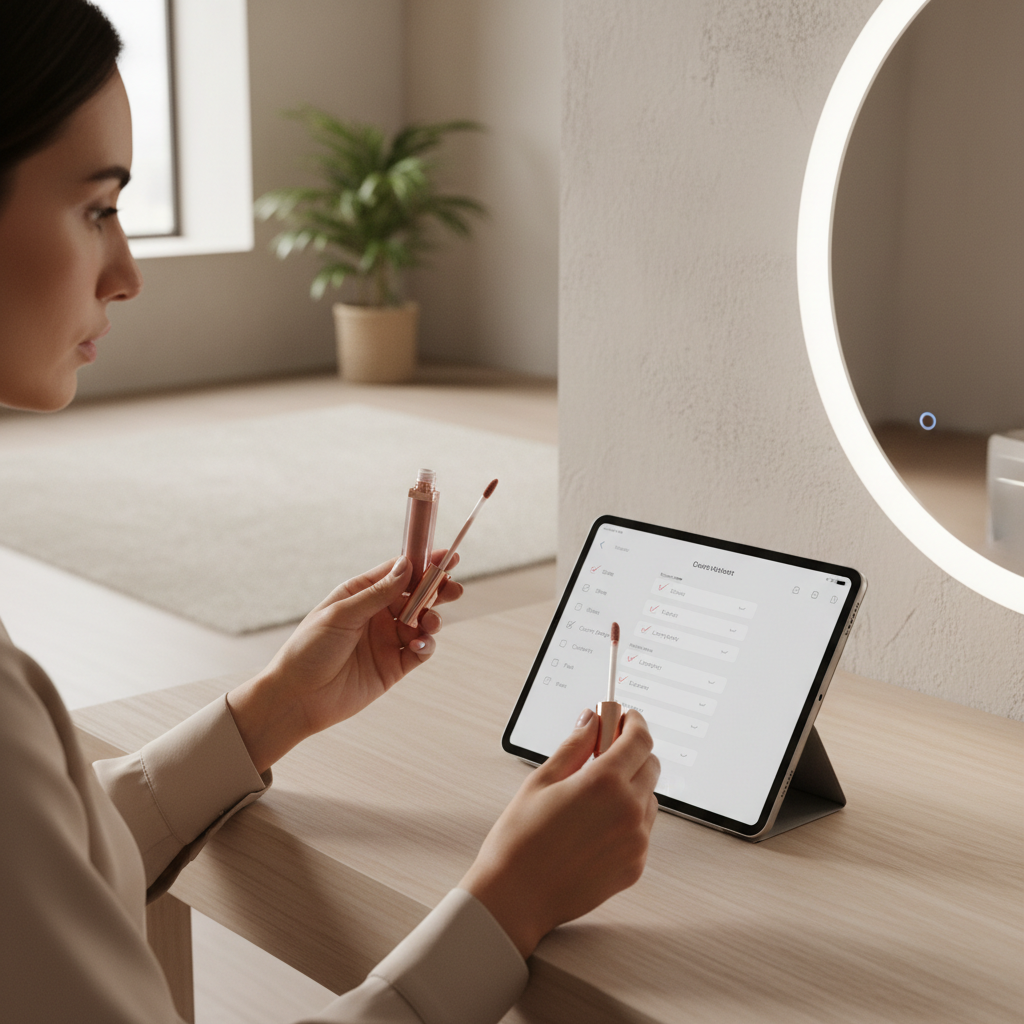
If you want shopping to feel less random, use a simple decision path. It’s not perfect, but it stops you from buying a gorgeous gloss that you’ll never finish.
- If you hate stickiness: look for balm-gloss hybrids or lightweight gel gloss, avoid ultra-thick “vinyl” textures.
- If your gloss disappears fast: pick a gel gloss, or layer over a matching lip liner for grip.
- If you have dry, textured lips: prioritize conditioning ingredients, skip gritty shimmers that catch flakes.
- If you want max mirror shine for photos: a lacquer-style clear topcoat gloss over lipstick usually pops most.
- If you’re sensitive: be cautious with plumpers, strong flavors, and heavy fragrance.
Key takeaway: comfort and evenness create shine. Chasing “more sparkle” rarely fixes a patchy finish.
Comparison table: choose a gloss by scenario (not hype)
This table is a practical way to match your routine to a formula type. Use it as a shopping filter when you’re scanning product pages.
| Scenario | What to look for | What to avoid | Why it matters |
|---|---|---|---|
| Everyday shiny lips | Hybrid balm-gloss, soft doe-foot, medium pigment | Strong plumping actives | Comfort keeps you reapplying without irritation |
| Longer wear at work | Gel gloss, slightly tacky feel, good seal | Very oily formulas | Less sliding, fewer touch-ups after coffee |
| Photo-ready “glass” shine | Clear lacquer topcoat, high-reflection finish | Chunky glitter | Even reflection reads shinier than shimmer |
| Sensitive or easily chapped lips | Fragrance-free, conditioning oils, ceramides | Menthol/cinnamon/capsaicin | Less burning, less rebound dryness |
| Fuller-looking lips | Mild plumper or HA smoothing, slightly thicker film | Overuse of strong plumpers | Plump effect can be subtle, irritation is not |
How to apply for maximum shine (and keep it neat)
The best lip gloss for shiny lips can still look messy if you apply it like a balm. Shine looks most expensive when the edge stays clean and the center stays smooth.
Simple routine that works for most people
- Smooth the surface: use a damp washcloth to gently buff flakes, don’t over-scrub.
- Condition first: a thin layer of lip balm, wait a minute, blot lightly so the gloss can grip.
- Define softly: trace lip liner at the outer edge, then smudge inward to avoid harsh lines.
- Gloss placement: focus gloss on the center of top and bottom lip, then spread slightly outward.
- For extra shine: tap a tiny second layer only at the center, not the full lip.
Small trick: if your gloss always bleeds, you often need less product, not a different brand. Thick layers move.
Common mistakes that make shiny gloss look worse
A few habits can sabotage shine even with a great formula.
- Applying over heavy, oily balm: gloss slides and separates, shine turns uneven.
- Using gritty shimmers on textured lips: particles catch dry spots and emphasize lines.
- Overlining too far: high shine highlights edges, so sloppy overlining becomes obvious.
- Constant re-layering: you get a thick rim at the inner lip line, and it looks messy fast.
Also, don’t ignore the scent/flavor issue. If a gloss makes you lick your lips more, dryness tends to get worse, and you lose that smooth reflective surface.
When to be cautious (plumping, irritation, and breakouts around the mouth)
Gloss seems harmless, but the lip area reacts quickly. If you’re trying new formulas in 2026, especially plumpers, a little caution saves you time and discomfort.
- Tingling that lasts: mild tingle can be normal for plumpers, but burning, swelling, or rash suggests irritation, stop use.
- Repeated cracking at corners: could be dryness, yeast, or irritation from saliva and products, consider asking a pharmacist or clinician.
- Breakouts around the lip line: some richer oils/waxes may contribute for acne-prone skin, switching texture often helps.
According to the U.S. Food and Drug Administration (FDA), cosmetics can still cause adverse reactions in some people. If you suspect an allergy or strong irritation, it’s reasonable to stop the product and consult a healthcare professional.
Conclusion: what to buy for shiny lips in 2026
If you want a reliable shortcut, pick a gloss based on finish (glassy vs shimmer), comfort (oily vs gel), and your lip condition. Most people searching for the best lip gloss for shiny lips get the biggest upgrade from a gel gloss for wear time or a conditioning hybrid if dryness keeps ruining the smooth look.
Action steps: choose one formula type that matches your day-to-day, then use the application routine above for a week before you decide it “doesn’t work.” If your lips sting easily, keep it simple and fragrance-light, your shine will look better anyway.