
How to layer clothes for winter comes down to one idea: trap warm air without trapping sweat, then protect that warm air from wind and wet weather. If you’ve ever felt cold even in a “big coat,” or overheated indoors and then froze outside, your layers probably aren’t working as a system.
Layering matters because winter discomfort usually isn’t about “not enough clothes,” it’s about the wrong kind of insulation in the wrong place. A cotton tee that stays damp, a puffy smashed under a tight shell, or bare ankles in snow can ruin the whole setup, even if the outfit looks thick.
Below is a practical way to build a winter kit that works for real life in the U.S., from walking the dog to commuting to weekend hikes. You’ll also get quick self-checks, a simple table, and a few “don’t do this” notes that save money and frustration.
Think in a 3-layer system (and why it works)
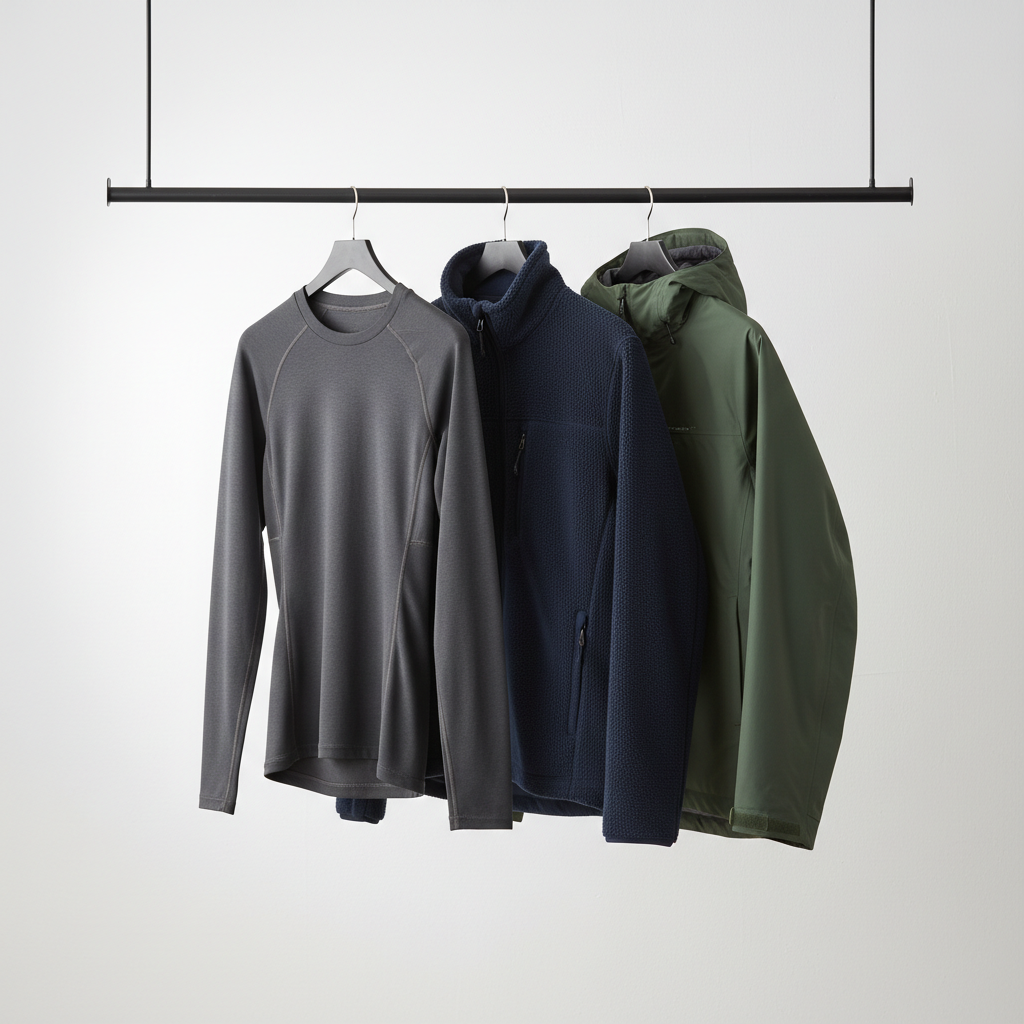
Most winter outfits perform better when you treat them like a modular system: base layer to manage moisture, mid layer to hold heat, and outer layer to block wind and precipitation. You can add a “bonus” insulation piece in extreme cold, but the core logic stays the same.
- Base layer (next-to-skin): pulls sweat off your body so you don’t chill later.
- Mid layer (insulation): creates loft, the trapped air that actually keeps you warm.
- Shell (protection): stops wind, rain, sleet, or snow from stripping that warmth away.
According to the National Weather Service, wind chill can make air feel significantly colder than the thermometer reading, which is why a wind-blocking layer often “feels warmer” than adding another sweater.
Base layers: stay dry first, warm second
If you’re learning how to layer clothes for winter, the base layer is where most people accidentally sabotage themselves. A damp shirt can make 35°F feel brutal, especially once you stop moving or step into wind.
What to choose
- Merino wool: warm across a range, resists odor, comfortable for long days.
- Synthetic (polyester blends): dries fast, often cheaper, great for higher sweat output.
- What to avoid in many cases: cotton tees as a true base layer, since cotton tends to hold moisture.
Fit matters more than branding. Aim for “close to skin” without cutting circulation, because tight spots can feel colder and also reduce comfort.
Mid layers: insulation choices that match your day
Your mid layer is the warmth engine. The trick is picking insulation that matches your activity level and how much time you spend outdoors versus indoors.
Common mid-layer options
- Fleece: breathable, good for active days, easy to vent.
- Wool sweater: cozy and versatile, can handle small temperature swings.
- Down jacket: excellent warmth-to-weight, best in cold and dry conditions.
- Synthetic puffy: stays warmer when damp than down, a solid choice for wetter climates.
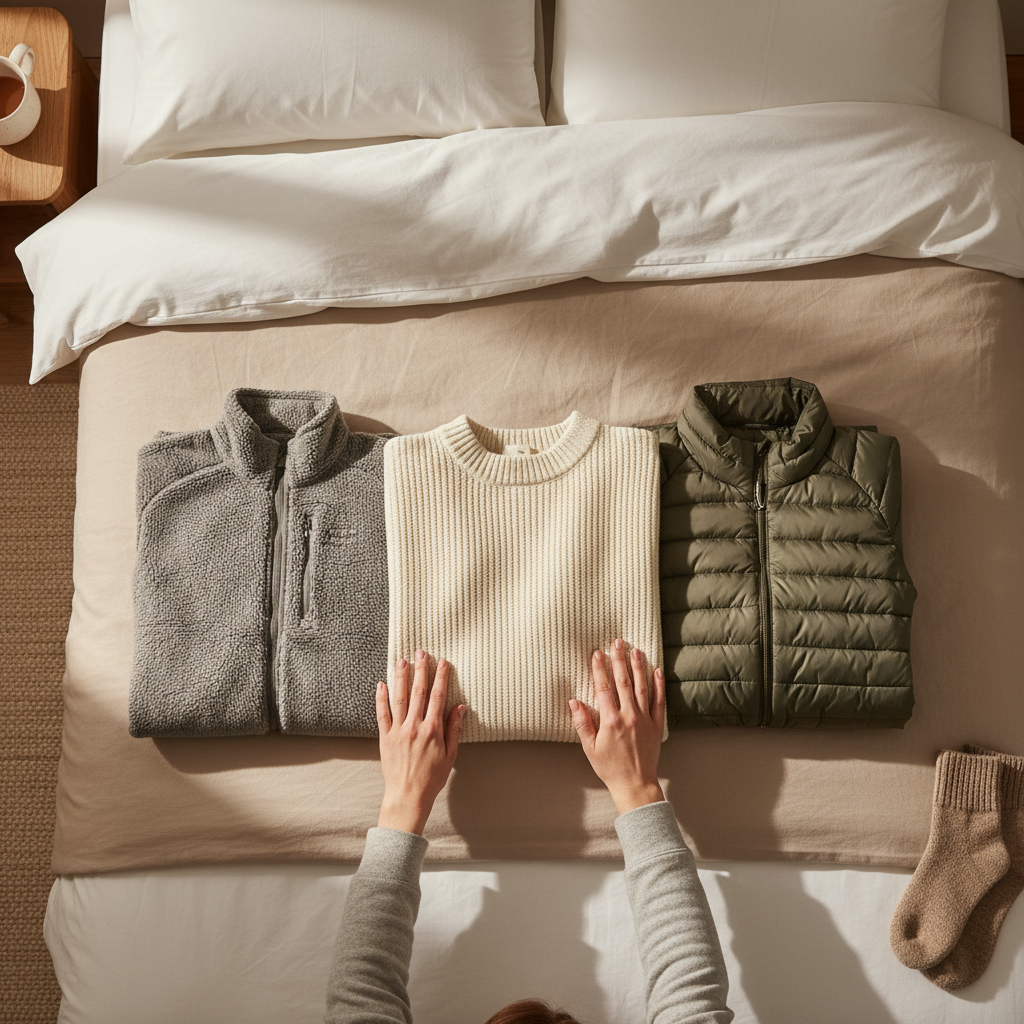
One practical rule: if you’re mostly walking between car, office, and stores, a less-bulky mid layer plus a good shell often feels better than a thick sweater that overheats you indoors.
Shell layers: wind and wet protection without turning into a sauna
The shell decides whether your insulation performs or collapses. In many U.S. winters, the “wet cold” is what gets people: slushy sidewalks, freezing rain, and sudden wind.
Pick the shell based on conditions
- Windbreaker / softshell: great for dry cold and movement, usually more breathable.
- Rain shell (waterproof-breathable): better for wet snow, sleet, rain, and windy storms.
- Insulated shell: convenient for errands, less modular if temps swing.
Look for small features that add real comfort: adjustable cuffs, a hood that moves with your head, and pit zips or venting if you run warm.
Quick layering recipes (commute, city errands, hiking)
Instead of guessing, start with a “recipe” and adjust one piece at a time. This approach also helps you learn how to layer clothes for winter without buying a whole new wardrobe.
1) Everyday commute (20–40°F, mixed indoor/outdoor)
- Base: lightweight merino or synthetic long-sleeve
- Mid: thin fleece or wool sweater
- Shell: windproof coat or light rain shell
- Extras: warm socks, beanie, gloves you can use on a phone
2) City errands (10–30°F, low activity)
- Base: midweight base layer top
- Mid: puffy jacket (down or synthetic)
- Shell: windproof outer layer, add waterproof if precipitation is likely
- Extras: scarf or neck gaiter, insulated boots if sidewalks are icy
3) Active outdoors (skiing, hiking, shoveling)
- Base: synthetic or merino that dries fast
- Mid: breathable fleece (often better than thick down while moving)
- Shell: breathable waterproof shell if snow is falling, otherwise wind shell
- Extras: spare dry gloves, hat you can vent, sunglasses or goggles
Use this table to choose layers by temperature and weather
Everyone’s “cold tolerance” varies, so treat this as a starting point. If you have circulation issues or health concerns, it’s smart to check with a clinician about cold exposure.
| Conditions | Base Layer | Mid Layer | Shell | Notes |
|---|---|---|---|---|
| 35–50°F, dry, light wind | Lightweight | Light fleece or sweater | Windbreaker or light jacket | Prioritize venting for indoor transitions |
| 20–35°F, windy | Light to midweight | Fleece or light puffy | Windproof shell | Wind protection often matters more than “thicker” clothes |
| 20–35°F, wet snow or rain | Light to midweight | Synthetic insulation or fleece | Waterproof shell with hood | Bring dry gloves, consider water-resistant footwear |
| 0–20°F, dry | Midweight | Puffy + optional fleece | Windproof shell or insulated coat | Protect hands, ears, and toes early |
| Below 0°F or extreme wind | Midweight | High-loft insulation | Windproof, well-sealed shell | Limit exposure; watch for numbness and frostbite risk |
Self-check: why you’re still cold (or sweaty) in winter layers
If your current outfit “should be warm” but isn’t, run through this list once. It usually points to a single fix.
- You feel cold after 10–20 minutes: base layer likely holding moisture, or shell leaks wind at cuffs/neck.
- You sweat, then freeze: mid layer too warm for your activity, or shell not breathable enough.
- Your core is warm but hands/feet are numb: gloves/boots not insulated enough, or socks too tight and cutting circulation.
- Your coat feels heavy but not warm: insulation is compressed, or you’re missing a true insulating mid layer.
- Neck and wrists feel drafty: small gaps, big heat loss, add scarf/gaiter and adjust cuffs.
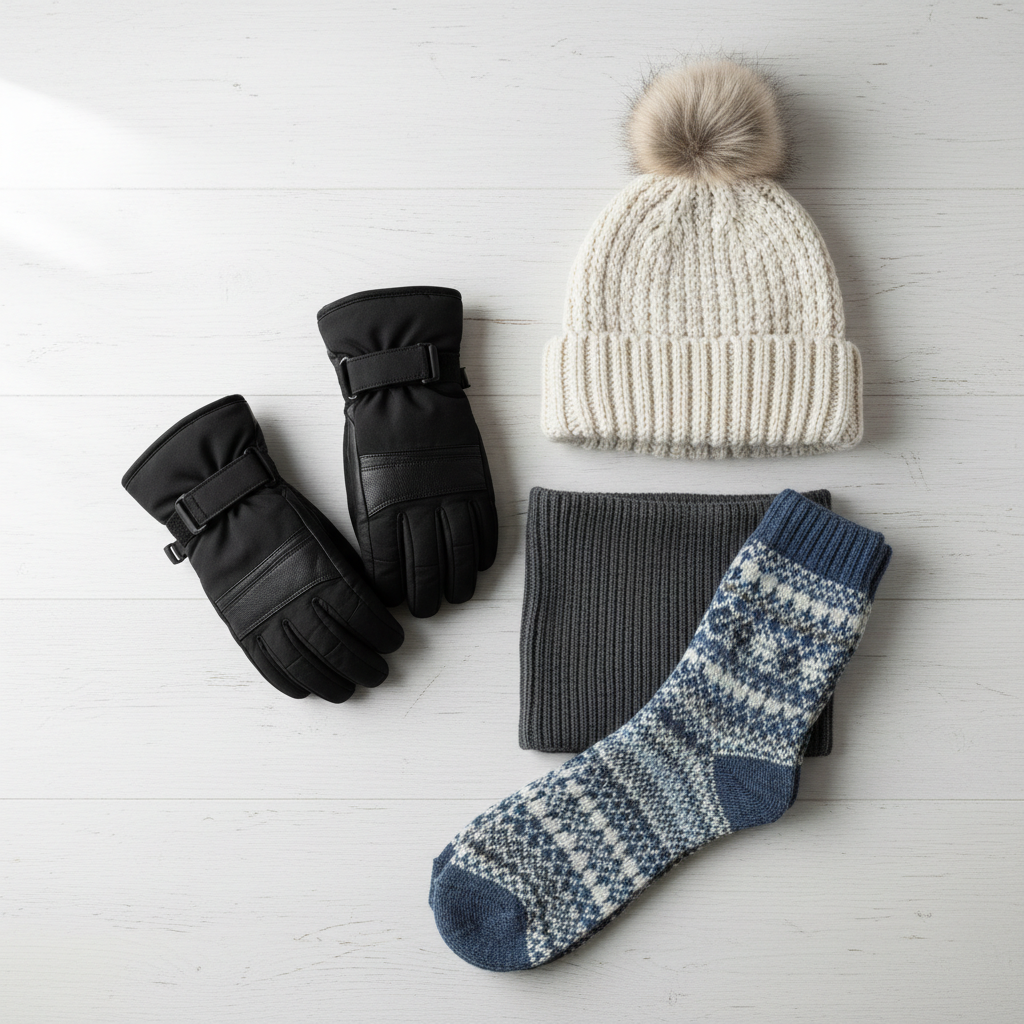
One small but real detail: if you’re piling on layers and your boots suddenly feel tight, that can backfire. Tight footwear often makes toes colder even with thicker socks.
Practical tips that make layering feel “easy” day to day
Good layering is less about owning more gear and more about making quick adjustments without thinking.
- Vent early: unzip before you sweat, not after. Moisture management is half the game.
- Carry a packable mid layer: a thin puffy or fleece can live in your bag and save you when temps drop.
- Match fabrics to the job: merino for all-day comfort, synthetics for high-output activity.
- Don’t ignore legs: long underwear under jeans often feels warmer than switching to a thicker coat.
- Upgrade the “edges”: hat, gloves, socks, and a neck gaiter can change comfort fast.
Key takeaway: if you’re deciding between a warmer mid layer and a better shell, many people get more value from a windproof, weather-appropriate outer layer, because it protects every layer underneath.
Common mistakes (and what to do instead)
- Mistake: wearing cotton as your only base. Try: merino or synthetic next-to-skin, cotton can sit on top if you like it.
- Mistake: stacking too many tight layers. Try: keep enough room for loft, especially with puffies.
- Mistake: relying on one huge parka for everything. Try: modular pieces so you can adapt to errands, office heat, and outdoor time.
- Mistake: forgetting wind around the neck and wrists. Try: seal gaps with a gaiter and adjustable cuffs.
According to the Centers for Disease Control and Prevention (CDC), cold-related injuries like hypothermia and frostbite can happen when you’re exposed to cold and wind for long enough, especially if clothing becomes wet. If you notice persistent numbness, confusion, or uncontrolled shivering, it’s safer to get to warmth and seek medical help.
Wrap-up: a simple way to upgrade your winter comfort
Once you understand how to layer clothes for winter, the win is consistency: you stay comfortable across temperature swings, you stop arriving places clammy, and you can adjust without starting over. Build your outfit around a dry base, a breathable insulator, and a shell that matches wind and wet, then use accessories to close the gaps.
If you want one action step today, lay out your most common winter outfit and replace just one weak link, usually the base layer or the shell. That single change often does more than buying a heavier coat.