
Best hair mask for damaged hair shopping gets confusing fast, because “damage” can mean very different things: dryness and roughness, breakage from heat, color-processing stress, or a scalp that feels tight while ends feel fried.
If you match a mask to the wrong problem, you can waste weeks and still feel stuck, hair stays dull, ends keep snapping, and you start stacking products that fight each other. The goal here is simpler: identify the kind of damage you’re dealing with, then pick ingredients and a routine that actually fit.
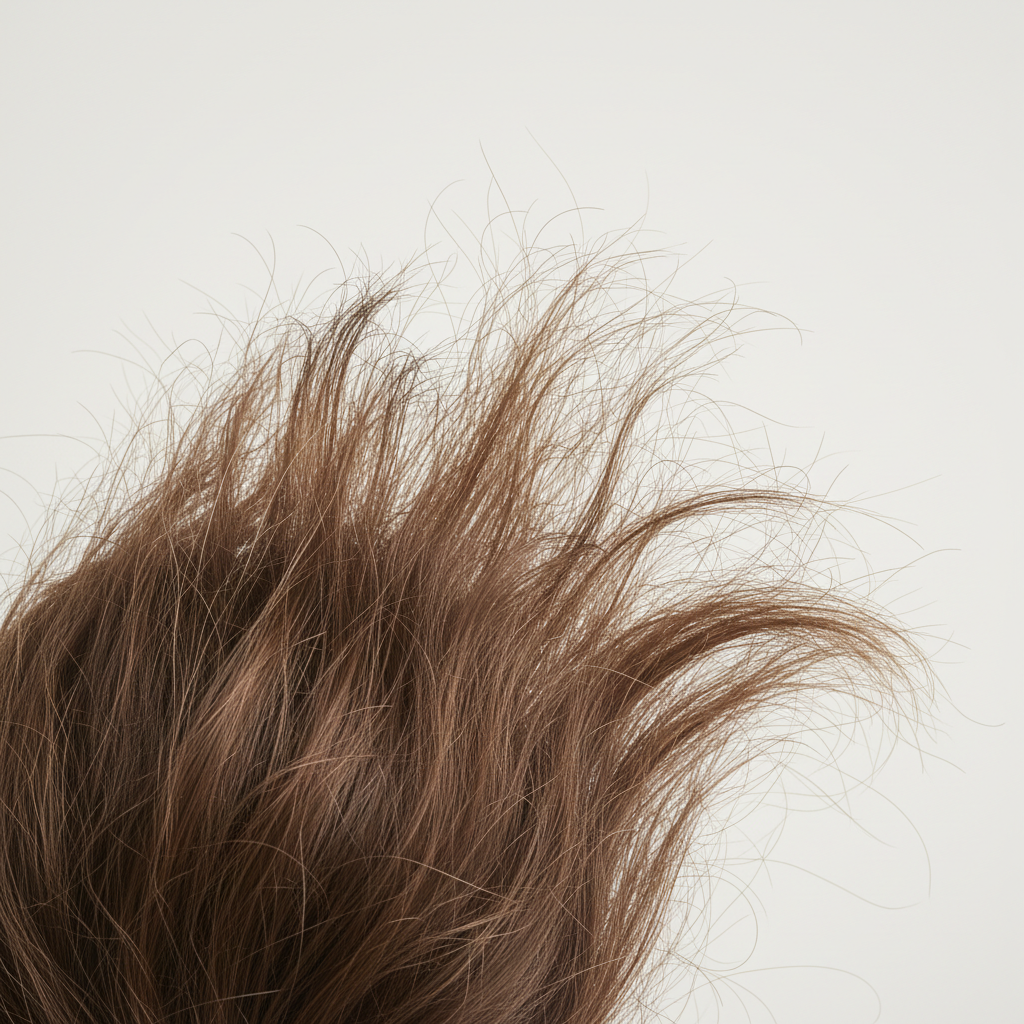
This guide walks you through a quick self-check, what “repair” can realistically do, a practical ingredient cheat sheet, and how to use a mask without turning hair limp or coated. I’ll also call out common mistakes, because many “masks don’t work” stories come down to timing, layering, or buildup.
What “damaged hair” usually means (and what a mask can do)
Most masks improve feel and manageability first, then help reduce breakage over time. They don’t permanently “heal” a strand the way skin can heal, because hair fiber is not living tissue. Still, the right mask can make a big difference in softness, shine, tangling, and how often hair snaps during detangling.
According to the American Academy of Dermatology Association (AAD), hair breakage and hair loss can have different causes, and persistent shedding or scalp symptoms may warrant professional evaluation. In other words, a mask can support the hair fiber, but it won’t fix everything.
- Surface damage: rough cuticle, frizz, dullness, tangles. Masks help a lot here.
- Structural weakness: frequent snapping, mushy/stretchy wet hair, heavy bleach history. You may need protein + bond-building and gentler habits.
- Scalp-driven issues: itch, flakes, soreness, sudden shedding. A hair mask on lengths won’t address root causes.
Quick self-check: pick your “damage type” in 2 minutes
Before you buy anything, do this quick check in good light. You’re looking for a dominant pattern, not perfection.
1) Your hair feels dry, rough, frizzy
- Ends feel like straw, hair puffs in humidity
- Detangling feels like a fight, especially mid-lengths
- Shine disappears fast after washing
Likely needs: rich conditioning, lipids (oils/butters), cationic conditioners, some humectants depending on climate.
2) Your hair breaks easily (not just sheds)
- Short pieces in sink, halo of flyaways, split ends return quickly
- Brush collects lots of snapped fragments, not full-length hairs
- Heat styling or tight styles are regular habits
Likely needs: strengthening proteins in moderation, bond-support ingredients, plus less mechanical stress.
3) Bleached or heavily color-treated
- Hair feels porous, tangles when wet, color fades fast
- Wet hair feels stretchy or “gummy”
- Ends get see-through or thin
Likely needs: bond-building + conditioning, careful protein dosing, shorter processing time for masks to avoid stiffness.
4) Hair feels coated, limp, or waxy
- Hair looks flat even right after a mask
- Products “sit on top,” curls won’t clump, scalp gets greasy fast
Likely needs: lighter masks, periodic clarifying, and avoiding heavy butters/silicones if they build up for you.
Ingredients that matter (and what to ignore)
Marketing loves vague words like “repair,” “detox,” and “miracle.” Your best bet is reading for functional categories. This is where finding the best hair mask for damaged hair becomes less about hype and more about fit.
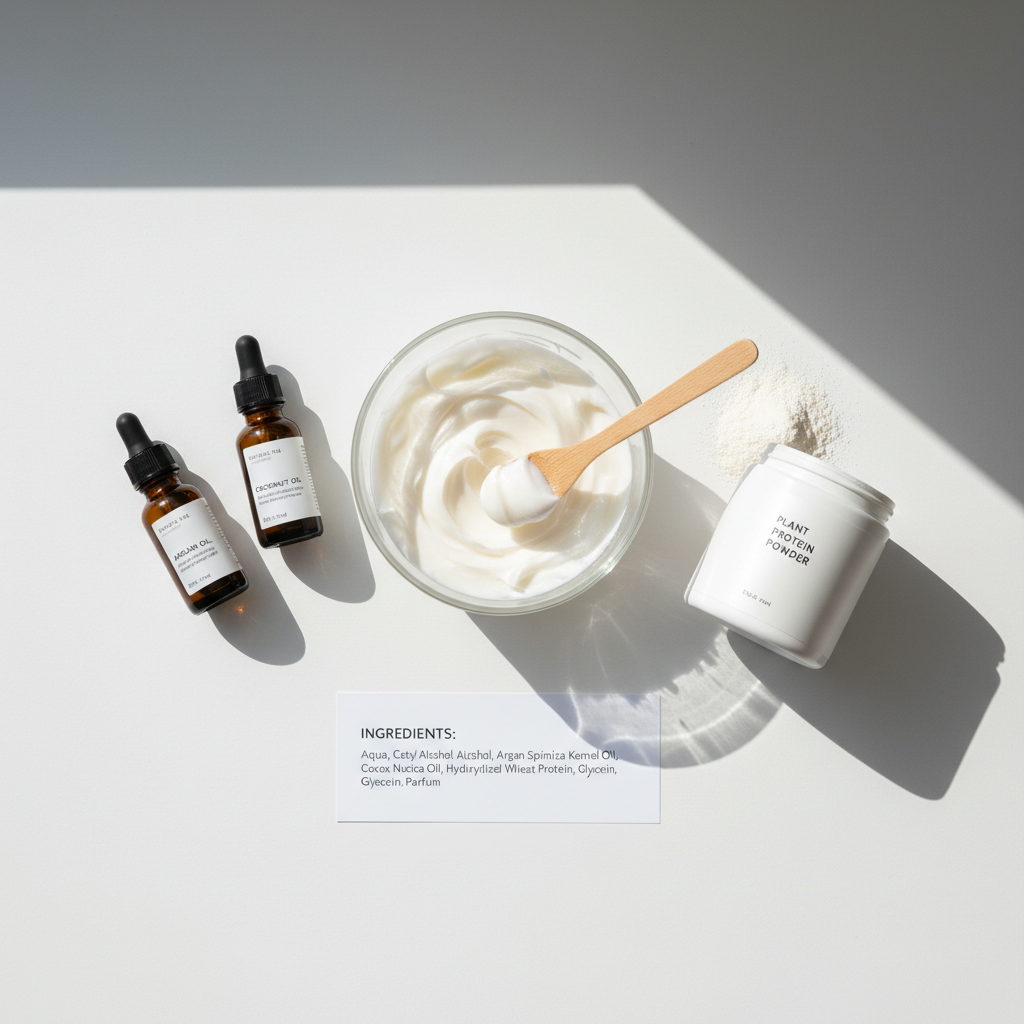
- Conditioning agents (for slip and softness): behentrimonium chloride, cetrimonium chloride, stearamidopropyl dimethylamine.
- Proteins/amino acids (for strength): hydrolyzed keratin, hydrolyzed wheat/silk protein, amino acids. Great for breakage-prone hair, but too much can feel stiff.
- Lipids/oils (for smoothness, frizz control): argan oil, jojoba oil, shea butter, ceramides. Helpful for dryness, can weigh down fine hair.
- Humectants (water-binding): glycerin, propanediol, panthenol. Often helpful, but in very humid or very dry climates some people find high-glycerin formulas behave unpredictably.
- Film formers/silicones (for shine, detangling): dimethicone, amodimethicone. Many damaged-hair routines benefit from them, but buildup is possible depending on shampoo and usage.
- Bond-building actives: these vary by brand and chemistry, and results can differ hair to hair. Think of them as “support” alongside conditioning, not a free pass to over-bleach.
What I’d personally ignore unless you love the sensorial experience: “detox mask” claims for hair lengths, or any promise that sounds permanent. A mask can improve how hair behaves, but it cannot rewind chemical processing.
How to choose the best hair mask for damaged hair (by scenario)
Instead of one universal pick, treat it like a small decision tree. Most people do better rotating: a moisture-focused mask most weeks, plus a strengthening option occasionally.
| Damage pattern | What to prioritize | Texture to look for | Common “too much” sign |
|---|---|---|---|
| Dryness + frizz | Conditioners + lipids, light humectants | Medium-rich cream | Limp roots, greasy feel |
| Breakage from heat/styling | Some protein + good slip | Cream-gel or creamy mask | Hair feels stiff, squeaky |
| Bleach/high porosity | Bond support + conditioning, controlled protein | Rich but not heavy-waxy | Stringy, brittle ends |
| Fine hair, easily weighed down | Light conditioning, rinse-clean feel | Light cream or lotion | Flat, coated, dull |
How to use a hair mask so it actually helps
Application is where a lot of “this didn’t work” reviews come from. Here’s the routine that tends to be most forgiving.
Step-by-step (most hair types)
- Shampoo first, so the mask contacts hair fiber instead of product residue.
- Squeeze out water. Hair should be damp, not dripping, otherwise you dilute the formula.
- Apply mid-lengths to ends. If your scalp is dry, still be cautious with heavy masks near roots.
- Comb through gently with fingers or a wide-tooth comb for even coverage.
- Time it: 5–10 minutes for most masks. Longer is not always better, especially with protein-heavy formulas.
- Rinse well. If hair feels coated after drying, rinse longer next time or reduce amount.
Key point: if you’re using heat tools, a mask is supportive, but a heat protectant is still the day-to-day workhorse.
Two simple schedules that work in real life
- Dry/frizzy hair: mask 1x weekly, alternate with conditioner-only washes as needed.
- Breakage/bleach history: moisture mask weekly + strengthening/bond-support every 2–4 weeks, adjusted by how hair feels.
Common mistakes (and what to do instead)
Small missteps can make you think you need a “stronger” product, when you really need a cleaner routine.
- Masking over buildup: if hair feels waxy or dull, add an occasional clarifying wash, then mask.
- Overusing protein: if hair turns rigid or tangles more, scale back strengthening formulas and focus on slip.
- Applying to scalp by default: many masks are designed for lengths, scalp application can feel greasy or irritate sensitive skin.
- Leaving it on for 30–60 minutes: longer time can be fine for some moisture masks, but it’s not a universal upgrade.
- Skipping haircut maintenance: masks can smooth split ends temporarily, they can’t fuse them back together.
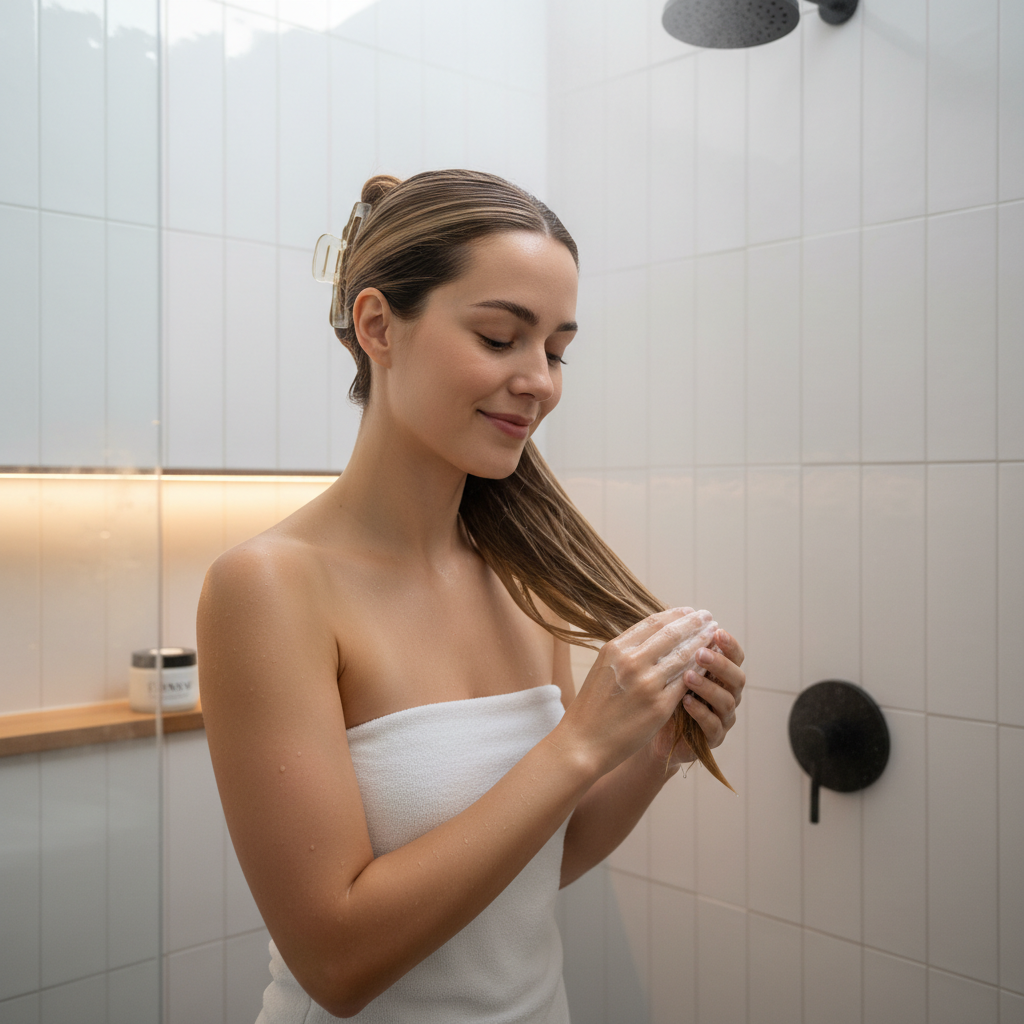
If you only take one habit change, make it this: apply less product than you think, distribute evenly, rinse thoroughly, then judge results after the hair fully dries.
When to get professional help (or switch strategy)
If you’re doing everything “right” and still see rapid breakage, scalp discomfort, or noticeable thinning, it may be time to widen the lens beyond masks. According to the American Academy of Dermatology Association (AAD), ongoing shedding or scalp symptoms can signal conditions that benefit from diagnosis and tailored treatment.
- Sudden shedding that lasts weeks, or visible scalp showing more than usual
- Itch, burning, sores, heavy flaking, or patches of hair loss
- Hair feels gummy when wet and snaps easily even with gentle handling
A stylist can help with cut strategy and chemical-service boundaries, a dermatologist can help if scalp health seems involved. If you have allergies or very sensitive skin, patch testing new products is a reasonable precaution.
Conclusion: a practical way to pick your next mask
The best hair mask for damaged hair in 2026 is the one that matches your dominant problem and fits your routine, not the one with the loudest repair claim. Start by deciding whether you need moisture and slip, strengthening support, or a lighter formula to avoid buildup, then use it consistently for a few washes before judging.
- If hair feels rough: go richer and focus on conditioning and lipids.
- If hair snaps: add controlled protein or bond support, and reduce heat and friction.
If you want an easy next step, pick one mask that targets your main issue, then commit to a once-weekly schedule for a month, it’s usually long enough to see whether your hair responds or you need a different category.