
Neutral shoes wardrobe planning sounds simple until you realize “neutral” means different things in different closets, and one wrong undertone can make outfits look slightly off.
The good news, most people don’t need a huge shoe rack to look pulled together. They need two or three pairs that match their real life: office days, weekends, weather, and how dressed up they actually get.
This guide breaks down which neutral colors earn their keep, what styles cover the most outfits, and how to choose based on your wardrobe’s undertones and your daily routine. No fantasy capsule, just what tends to work in the U.S. day to day.
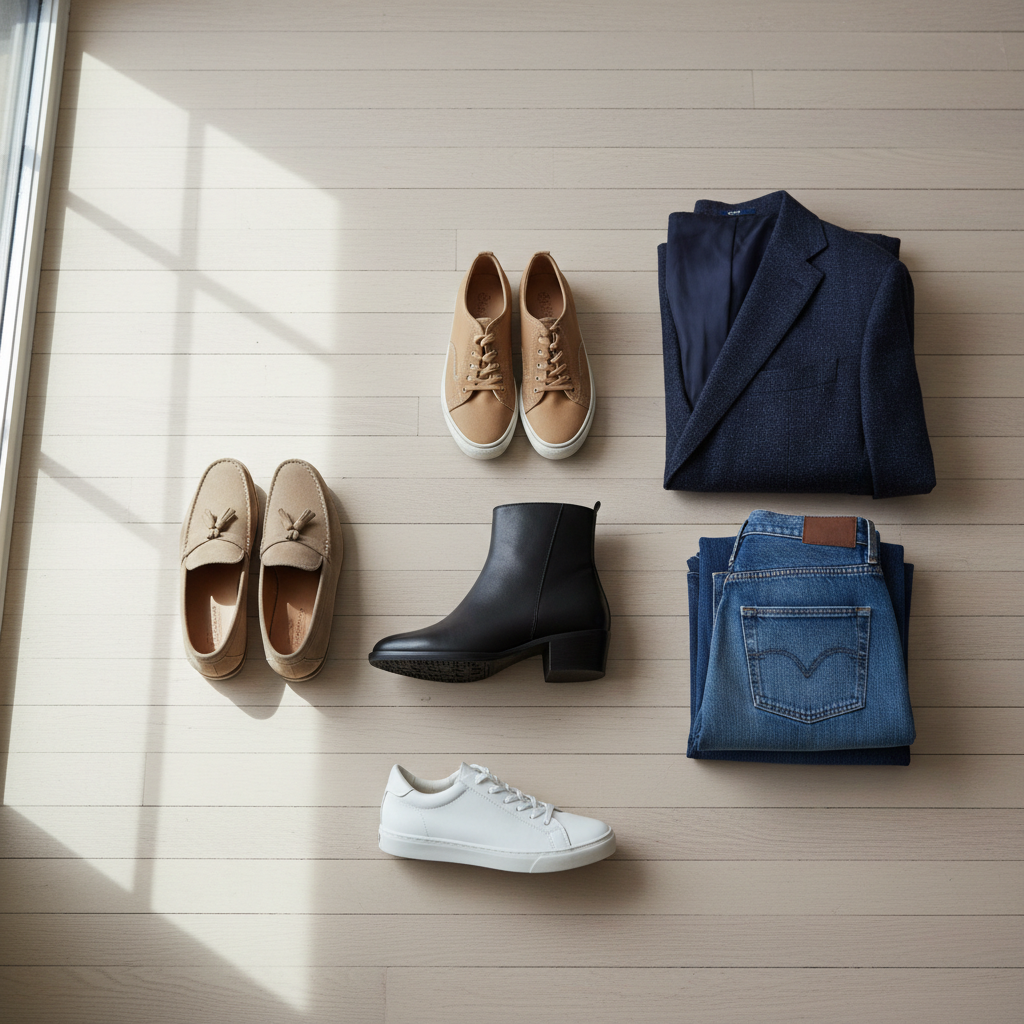
What “neutral” really means for shoes (and why it’s not one color)
Neutral shoes usually sit in a range that doesn’t fight your outfit’s main colors. In practice, that includes black, white, cream, beige, tan, taupe, brown, gray, and sometimes muted metallics.
Where people get tripped up is undertone. A “nude” shoe can look elegant on one person and slightly mismatched on another because the beige leans pink, yellow, or gray.
- Warm neutrals: cream, camel, cognac, warm tan, chocolate, gold-toned metallics.
- Cool neutrals: bright white, cool gray, charcoal, black, pewter, silver-toned metallics.
- In-between: taupe, greige, some medium browns, off-white.
If your closet is heavy on warm denim, camel coats, olive, rust, and ivory, warm neutrals usually look more “intentional.” If you wear crisp black, true white, navy, charcoal, and icy pastels, cool neutrals tend to blend better.
Why neutral shoes are the easiest way to make outfits look intentional
A versatile shoe does two jobs: it repeats a color already in your outfit, or it disappears so your outfit reads as one clean line. Neutral footwear does both, which is why it’s often the first “smart buy” when you’re trying to simplify.
It also reduces decision fatigue. When you know your go-to sneaker and your go-to dress shoe both match most of what you own, getting dressed becomes a two-minute thing, not a ten-minute debate.
One more practical point: neutral styles are typically easier to replace. Brands rotate statement colors, but black leather loafers and simple white sneakers rarely vanish for long.
Quick self-check: which neutral shoe colors will earn the most wear?
Before you buy anything new, do a fast wardrobe scan. This is the part people skip, then wonder why their “perfect” neutral sits in the box.
- Look at your outerwear: coat and jacket colors matter more than you think, because they frame the whole outfit.
- Count your bottoms: if you live in blue jeans, tans and whites work differently than with black trousers.
- Notice your metals: if most jewelry hardware is gold, warm neutrals and gold metallics often feel cohesive.
- Check your bag situation: matching shoes-to-bag is not required, but repeating a tone helps outfits read polished.
Use this rule of thumb: pick a neutral that matches your most-worn bottoms and your most-worn jacket. If those two pieces align, the shoe tends to get real mileage.
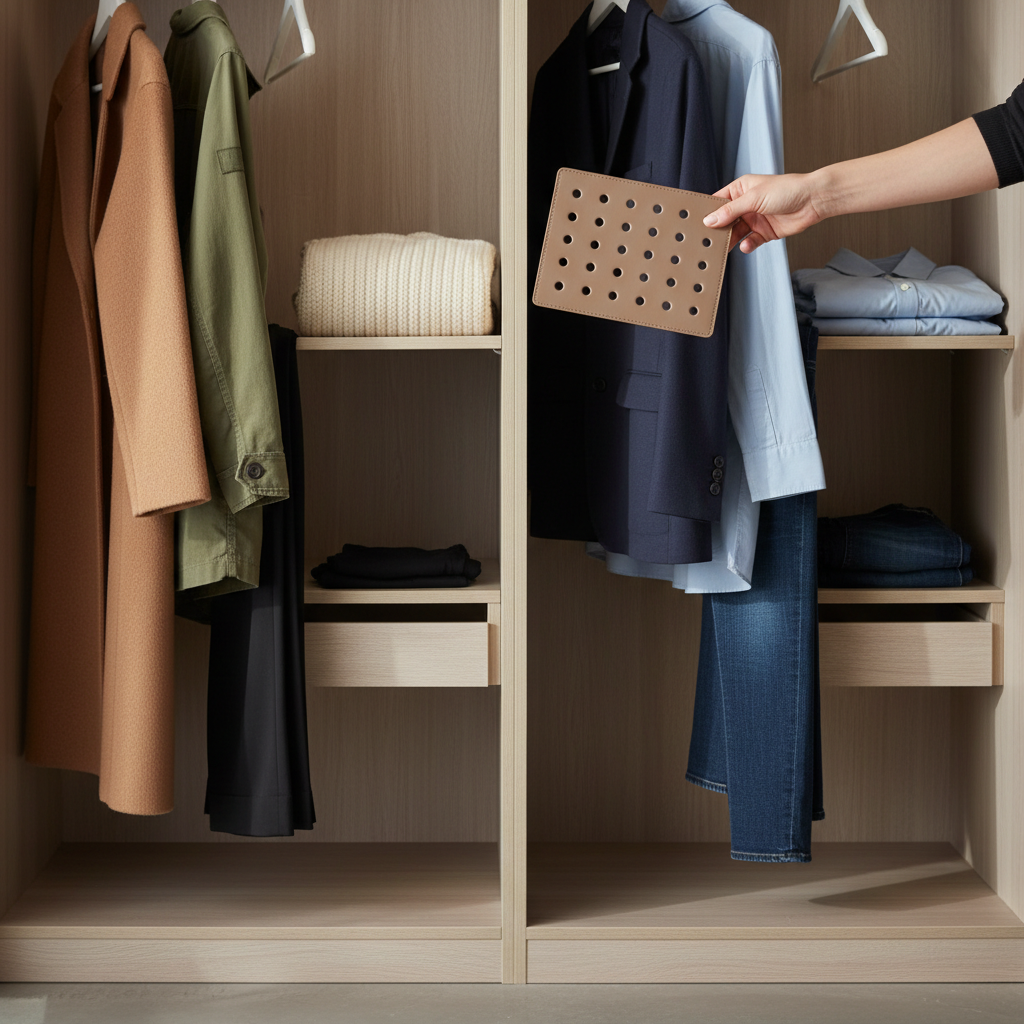
The “core neutrals” table: pick based on your wardrobe and lifestyle
Not every closet needs every neutral. Here’s a practical way to choose based on how they behave with common U.S. wardrobe colors.
| Neutral color | Best with | Where it shines | Watch-outs |
|---|---|---|---|
| Black | Black, white, navy, denim, jewel tones | Workwear, evenings, rainy days, city walking | Can look heavy with very light summer linens |
| White / Off-white | Denim, pastels, black, beige, sporty looks | Casual outfits, travel, warm weather | Shows wear fast, bright white can clash with creamy outfits |
| Tan / Camel | Blue denim, olive, cream, warm prints | Everyday outfits, business casual, fall layers | Can feel “too warm” with icy grays and cool blacks |
| Taupe / Greige | Both warm and cool palettes, muted outfits | Minimal wardrobes, outfits that need softness | Harder to match across brands, undertones vary a lot |
| Medium Brown / Chocolate | Earth tones, denim, navy, white | Boots, leather shoes, classic styling | Less natural with all-black wardrobes |
| Muted Metallic (gold/silver) | Monochrome outfits, neutrals, evening wear | Weddings, events, dressy minimalism | Shiny finishes can read “statement” not “neutral” |
3 versatile neutral shoe styles that cover most outfits
If you want the highest cost-per-wear, it’s usually about style as much as color. For many people, these three get the most rotation.
1) Minimal sneaker (white, cream, or light gray)
Great for denim, casual dresses, airport outfits, and “nice casual” days. If you hate bright white, off-white is often more forgiving and still reads fresh.
2) Loafer or flat (black, taupe, or tan)
This is the quiet workhorse for office looks. A streamlined toe and minimal hardware keeps it versatile, and it works with trousers, jeans, and midi skirts.
3) Ankle boot (black or medium brown)
Ankle boots carry you through fall and winter, and they’re often the most practical “polished” option when weather turns. Choose a heel you can actually walk in, and a shaft height that doesn’t cut your leg line at the widest point.
Key takeaway: if you build your neutral shoes wardrobe around one casual, one work-leaning, and one weather-ready pair, you stop buying duplicates that only work with one outfit.
How to style neutral shoes without looking “plain”
Neutral doesn’t have to mean invisible. The trick is to let texture and proportion do a bit of the talking.
- Use texture: suede, pebbled leather, woven details, or a matte finish adds depth without adding color noise.
- Repeat a tone: echo your shoe color in a belt, bag, sunglasses, or even a stripe in your top.
- Balance contrast: black shoes can anchor a light outfit if you repeat black in a top, belt, or jacket.
- Lean on “almost-matching”: taupe shoes with gray trousers looks softer than sharp matching, and often more modern.
Many “boring” outfits are really just missing one intentional detail: a structured bag, a clean hem length, or a shoe that fits the vibe instead of just the color.
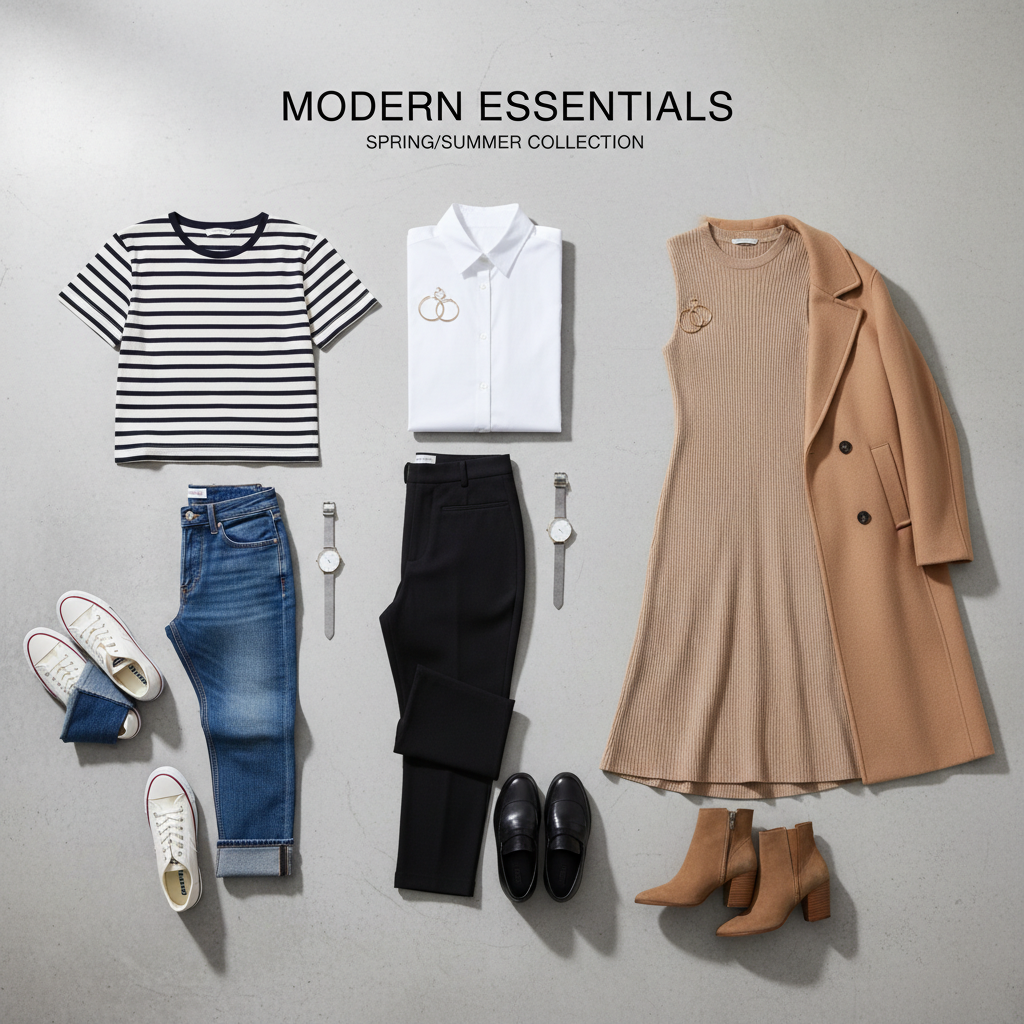
Practical buying tips: fit, materials, and comfort (so you actually wear them)
Comfort is not a side issue. If the shoe hurts, it won’t be versatile in real life, no matter how perfect it looks.
- Pick materials based on your climate: leather and treated suede handle shoulder seasons well, breathable materials help in hot states, water-resistant options matter in wet cities.
- Try your “real socks”: the ones you truly wear, not the thinnest pair you found in a drawer.
- Walk on hard ground: carpet hides problems, hard floors reveal heel slip and pressure points.
- Mind arch and support: if you deal with foot pain, you may want removable insoles or supportive footbeds, and it’s reasonable to consult a podiatrist for persistent issues.
According to the American Podiatric Medical Association (APMA), choosing properly fitting shoes and appropriate support can help reduce foot discomfort, which matters if you’re building a small rotation you’ll wear often.
Common mistakes that make a neutral shoe feel “wrong”
This is where a lot of neutral shoes wardrobe plans quietly fail, not because the idea is bad, but because the details are slightly off.
- Buying “nude” without checking undertone: beige can pull pink, yellow, or gray under indoor lighting.
- Ignoring toe shape: very round toes read casual, sharp points read dressy, you want the one that matches your wardrobe’s vibe.
- Choosing a high-contrast sole: a bright white sneaker sole can look sporty, which may clash with dressier basics.
- Over-prioritizing trends: a trendy silhouette can be fun, but it’s rarely the most versatile “base neutral.”
- Skipping care: light neutrals show scuffs, a simple cleaning routine keeps them wearable longer.
Conclusion: a simple plan to build your neutral shoe lineup
A strong neutral shoes wardrobe usually comes from picking the right undertone and the right job for each pair, not hunting for one magical shoe that works everywhere.
If you want an easy next step, open your closet and identify your top two bottom colors and your most-worn jacket, then choose one neutral sneaker and one polished shoe that clearly match those items. Add a weather-ready boot only if your climate and routine call for it.
FAQ
What are the most versatile neutral shoe colors for a small closet?
For many people, black plus off-white covers the most ground. If your wardrobe is warmer, tan or taupe can outperform black for everyday outfits, especially with denim and cream.
Do neutral shoes have to match my bag exactly?
No. Exact matching can look dated, and it’s not necessary. What helps is repeating a tone or staying in the same temperature range, warm with warm, cool with cool.
Is white sneaker really “neutral” for adults?
Usually yes, as long as the design stays clean and minimal. Off-white often looks a little more refined and hides wear better than bright optical white.
How do I choose the right “nude” shoe for my skin tone?
Think of nude as “a shoe that blends with you,” not a single shade. Compare options in daylight if you can, and look for a tone that feels harmonious with your skin undertone.
Can I build a neutral shoe wardrobe if I wear lots of black?
Definitely. Black footwear will do heavy lifting, and you can add a second neutral like charcoal, white, or a cool taupe to keep outfits from feeling repetitive.
What neutral shoe style works best for business casual?
Loafers, sleek flats, and low block heels tend to be the safest bets because they look polished without feeling overly formal. Keep logos and bold hardware minimal for maximum flexibility.
How many pairs do I actually need to start?
Often two to three pairs is enough: a casual neutral sneaker, a work-appropriate flat or loafer, and a boot if your weather demands it. More can be nice, but it’s not required.
If you’re trying to simplify shopping and want a neutral lineup that matches your real outfits, start by listing your most-worn colors and occasions, then shop with those constraints in mind, it’s usually the difference between “versatile” on paper and “worn every week” in practice.